In August 2026, the Asian Universities Alliance–Future Power and Energy Systems (FPES) International Summer School, hosted by the Department of Electrical Engineering at Tsinghua University, was successfully held. The program brought together 35 young students from 25 universities in 21 countries. Through a combination of cutting-edge academic courses, industry visits, and diverse cultural activities, it provided young talent from around the world with a high-level platform for learning and exchange in the energy sector.
Specialized Lectures: From Power Systems to the Frontiers of Energy Transition
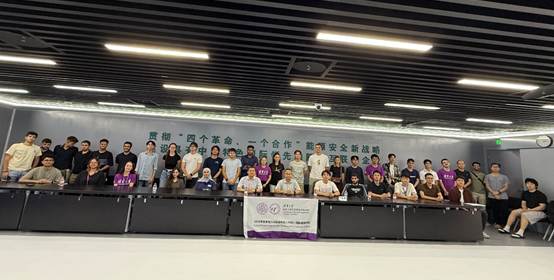
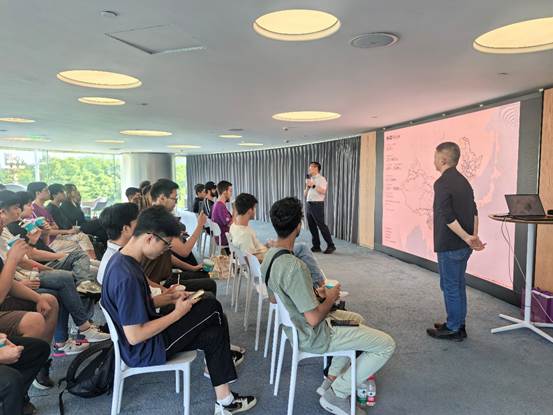
This year's summer school featured nine specialized courses on future power and energy systems. Leading experts and scholars from China and abroad, including Bikash C. Pal, Foreign Member of the Chinese Academy of Engineering, Distinguished Visiting Professor at Tsinghua University, and Professor at Imperial College London, and José Rodríguez, Member of the Chilean Academy of Engineering and Distinguished Visiting Professor at Tsinghua University, delivered lectures on topics including energy storage and new power systems, data center energy demand and flexibility, wireless power transfer, AC and DC power transmission, photovoltaic power generation, magnetic materials and sensing, power system fault analysis, power electronics and energy transition, and power electronics for renewable energy systems. The courses integrated fundamental theory, cutting-edge technologies, and engineering applications, offering participants diverse perspectives on the key challenges facing future power and energy systems amid the global energy transition.
The curriculum covered established areas such as power systems and power electronics while also addressing rapidly emerging topics including data centers, advanced energy storage, and photovoltaic power generation. The courses featured extensive opportunities for discussion and Q&A, allowing participants to engage with faculty members based on their respective academic backgrounds and exchange views on different technological pathways and their engineering applications.
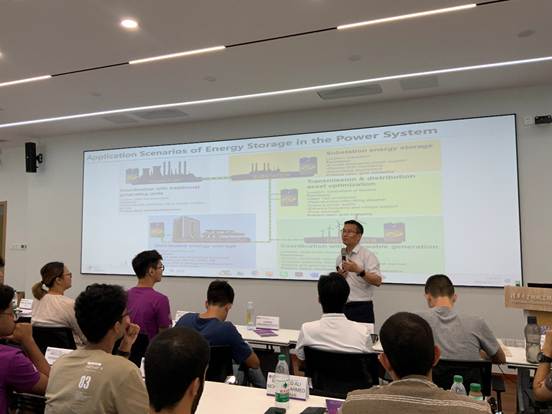
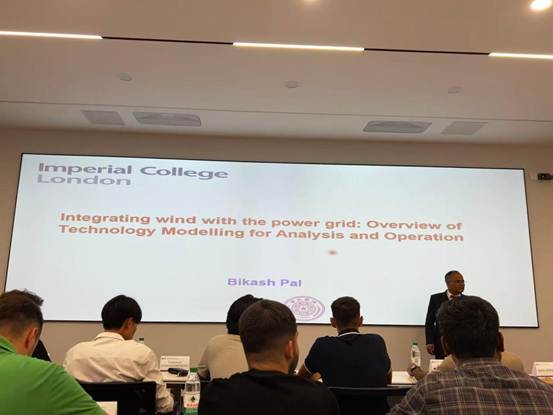
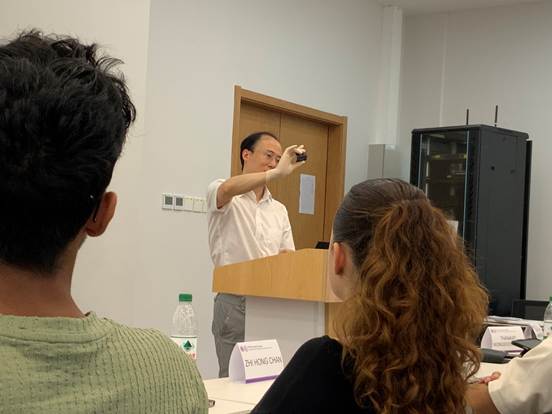
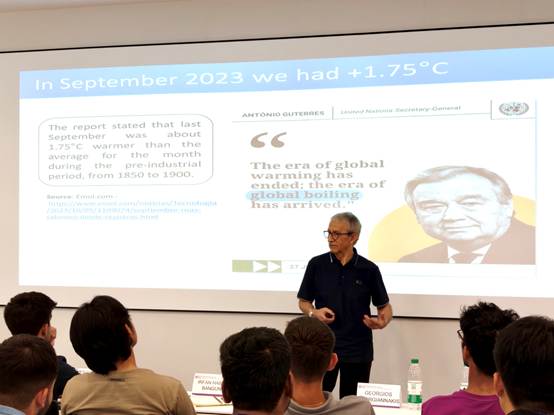
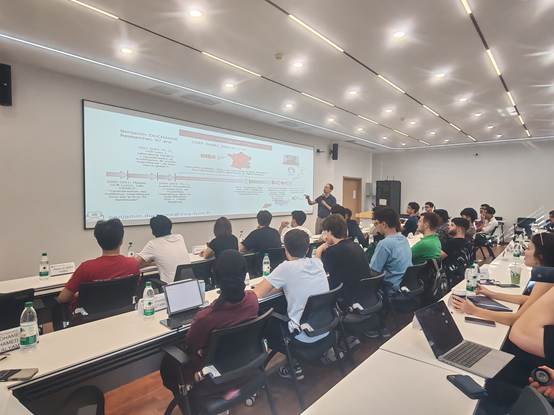
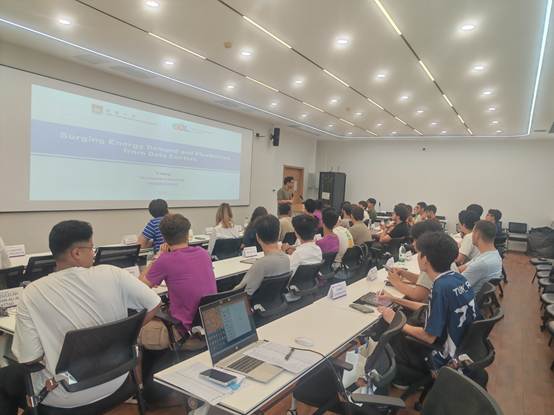
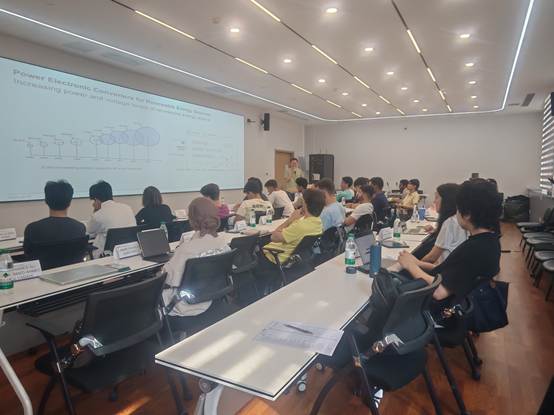
[Photo Group: Specialized lecture sessions]
In addition to classroom learning, participants conducted research and worked in groups on power systems in their respective countries or regions, and completed group presentations before the end of the summer school. Differences among countries in terms of resource endowments, geographical conditions, and the level of renewable energy development further extended classroom discussions to the diverse challenges of power and energy transition around the world.
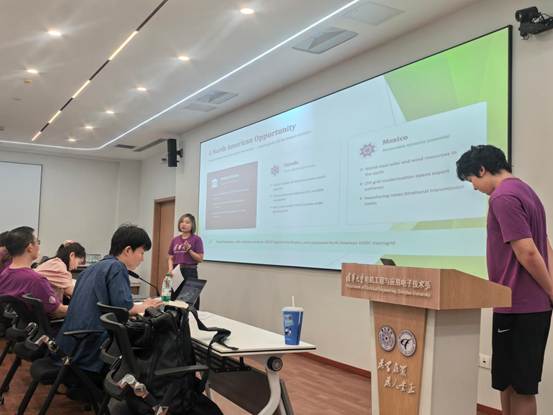
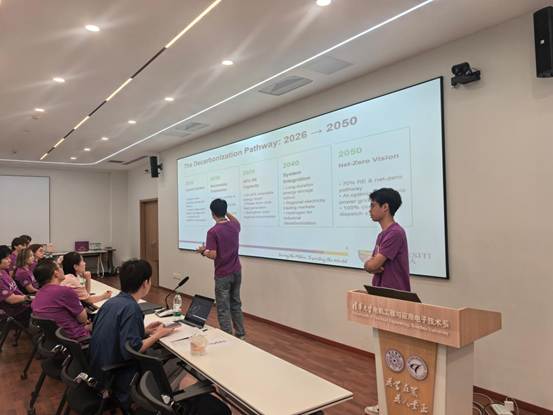
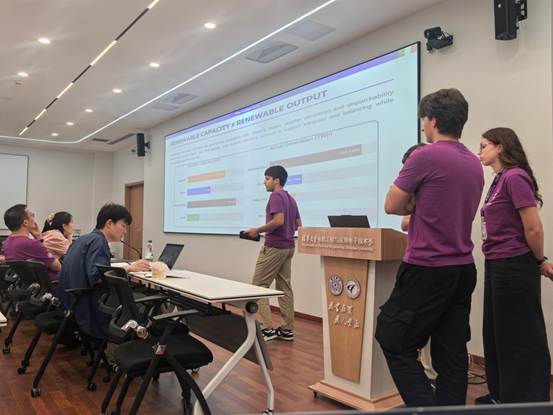
[Photo Group: Group presentations by participants]
Technical Visits: From the Laboratory to Real-World Energy Systems
To help participants understand how the knowledge gained in class is applied in research and industry, the summer school included a series of technical visits. At Tsinghua University, participants visited the State Key Laboratory of Operation and Control of Renewable Energy & Storage Systems, where they learned about the laboratory's research platforms and experimental facilities and gained first-hand insight into the process through which power and energy technologies progress from fundamental research to experimental validation.
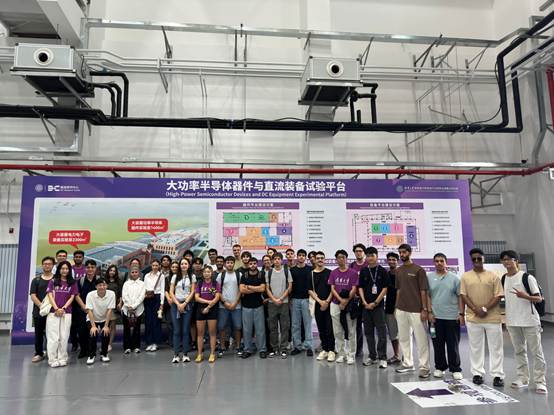
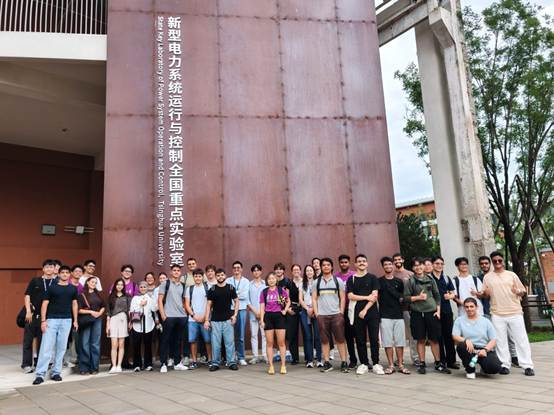
[Photo Group: Visit to the State Key Laboratory]
As part of the industry visits, participants visited State Grid Smart Internet of Vehicles Co., Ltd. and the NIO Beijing Experience Center. They toured the State Grid smart vehicle-network platform, an electric vehicle battery-swapping station, and an electric vehicle experience center. Through on-site presentations, discussions, and demonstrations, they learned about technologies related to new energy vehicles, charging and battery-swapping service platforms, battery-swapping stations, and vehicle-grid interaction.
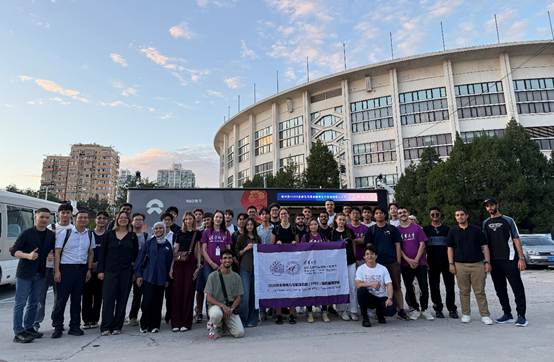
[Photo Group: NIO Beijing Experience Center and battery-swapping station]
Starting with typical energy application scenarios such as power grids and new energy vehicles, the technical visits also extended to emerging energy-use applications in smart manufacturing and robotics. Participants visited Tsinghua University's Industrial Engineering Training Center (iCenter), where, guided by faculty members, they toured training and laboratory facilities dedicated to smart manufacturing, forming and processing technologies, and robotics innovation. They learned about advanced manufacturing equipment, robotics, and engineering practice platforms, and had the opportunity to interact with intelligent equipment such as robots and robotic dogs. During the visit, participants also observed practical teaching activities such as precision machining and viewed student innovation projects, gaining a deeper understanding of Tsinghua's engineering practice education system and its “learning by doing” approach to engineering education.
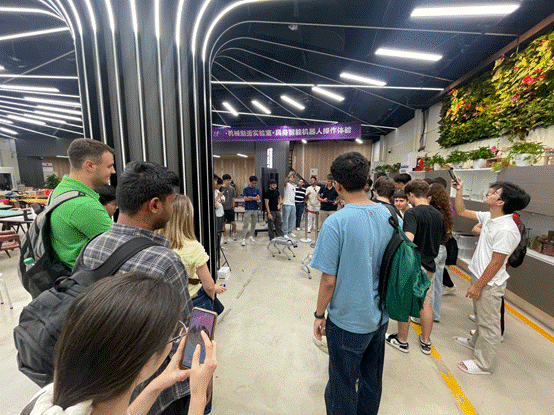
[Photo: Tsinghua University Industrial Engineering Training Center]
From August 21 to 22, the summer school's practical learning program was further extended to Zhangbei, Zhangjiakou, Hebei Province. Participants visited the Jingneng Zhangjiakou Green Power Control Center, wind power projects, and other renewable energy facilities, gaining first-hand knowledge of large-scale renewable energy development, operation and dispatch, and the transmission and utilization of green electricity. They also discussed wind farm construction and operation, energy storage deployment, and the development of large-scale renewable energy bases with on-site staff.
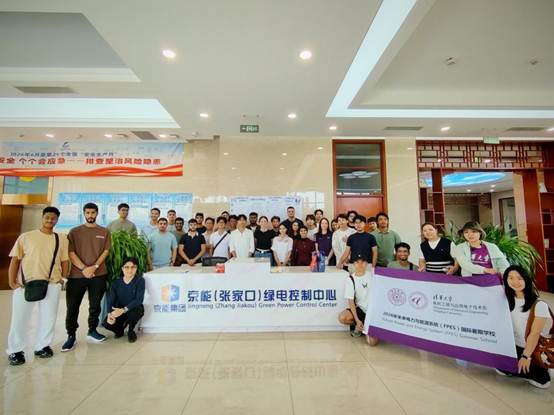
[Photo: Zhangjiakou Green Power Control Center]
Moving from the control center to the wind turbines themselves, participants gained a direct sense of the scale of renewable energy development in northern China. The itinerary also included visits to local data center facilities, allowing participants to further appreciate the links among renewable energy resources, power infrastructure, and emerging electricity loads.
Cultural Experiences: Discovering China Beyond the Classroom
In addition to academic learning, the summer school offered a variety of Chinese cultural experiences and visits to sites of historical and cultural significance. During calligraphy and lacquer-fan workshops, participants tried writing Chinese characters and making traditional lacquer fans. In the guzheng workshop, they were introduced to traditional Chinese music, beginning with basic finger techniques. Some activities also included introductory Chinese martial arts sessions. For many participants visiting China for the first time, these hands-on activities provided a direct and engaging way to experience and better understand Chinese culture.
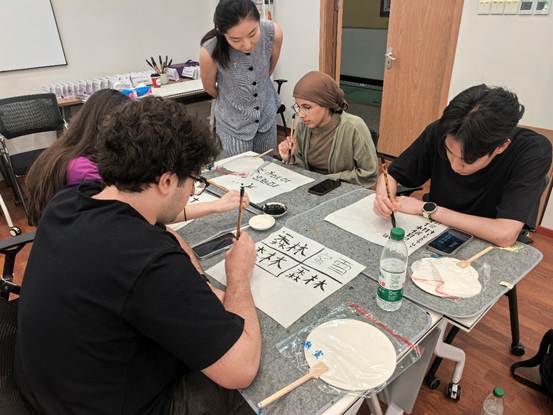
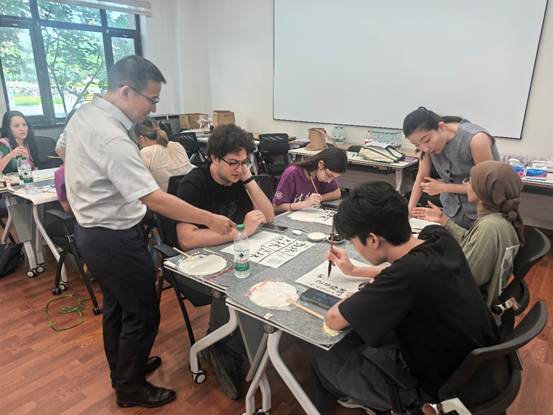
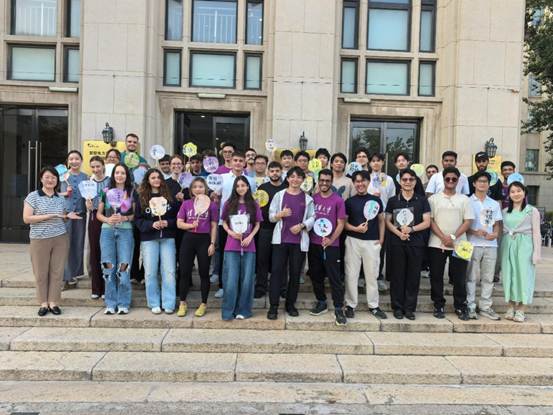
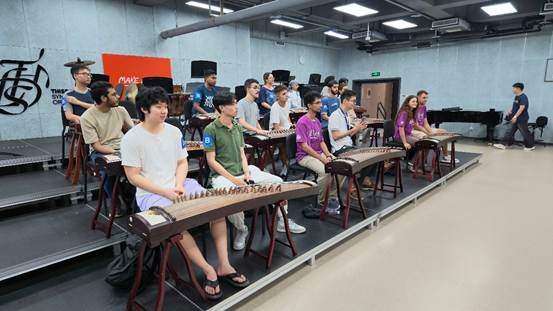
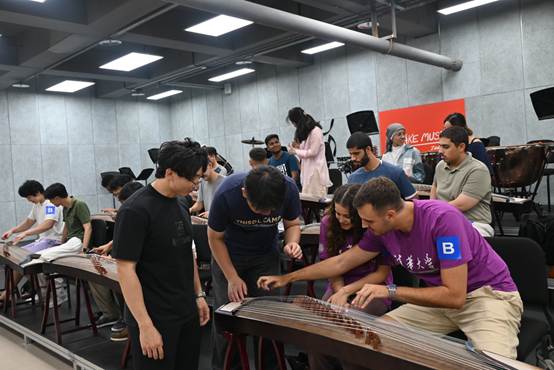
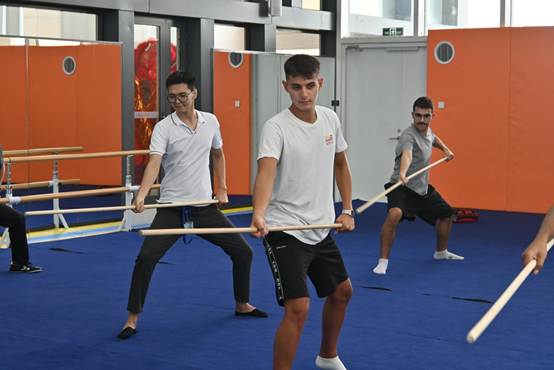
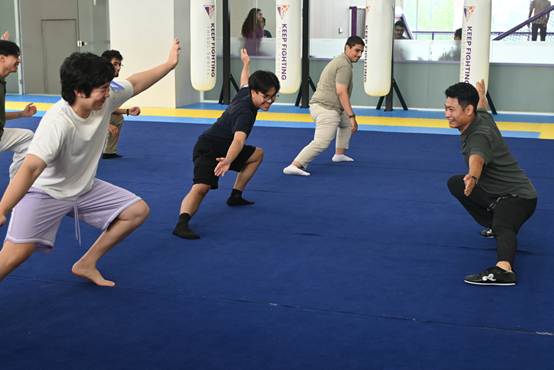
[Photo Group: Calligraphy, lacquer-fan, guzheng, and martial arts activities]
Participants also visited the Temple of Heaven, the Museum of Ancient Architecture, and the Great Wall, exploring Beijing and China's history through architecture, historical heritage, and urban space. During the field study in Zhangbei, participants visited Gongbaolage Grassland, where, following their visits to renewable energy facilities, they learned more about the local natural environment and grassland culture.
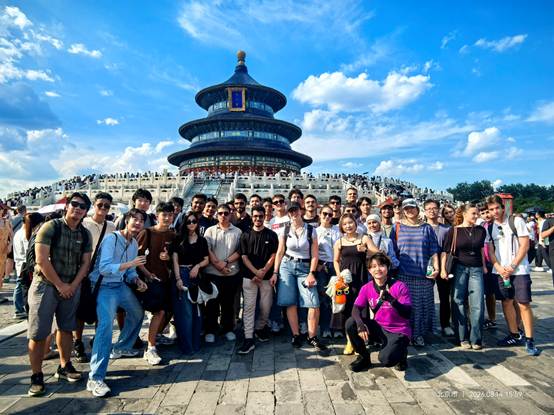
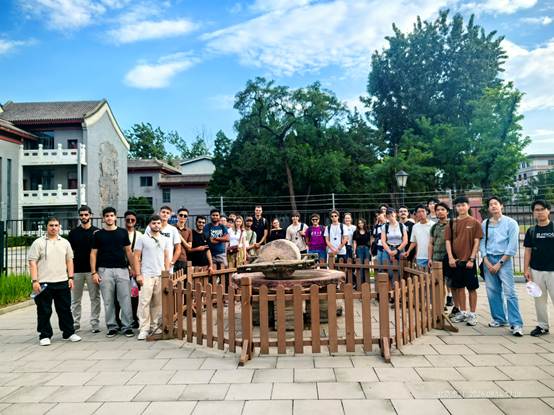
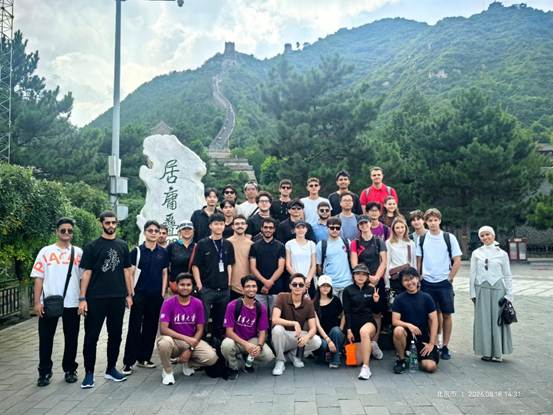
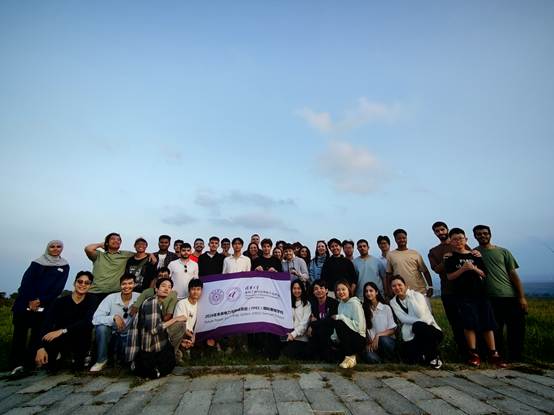
[Photo Group: Temple of Heaven, Museum of Ancient Architecture, Great Wall, and Gongbaolage Grassland]
From Strangers to Friends: Two Weeks of Exchange and Shared Experiences
The 35 participants came from different countries and universities, and two weeks of learning together provided many opportunities to get to know one another beyond the classroom. In their free time, participants organized sports activities such as basketball. Some participants from the Middle East invited their peers to sample food from their home countries, while others shared their interests through musical performances.
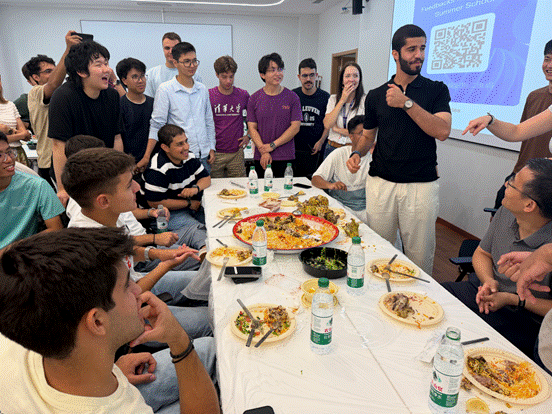
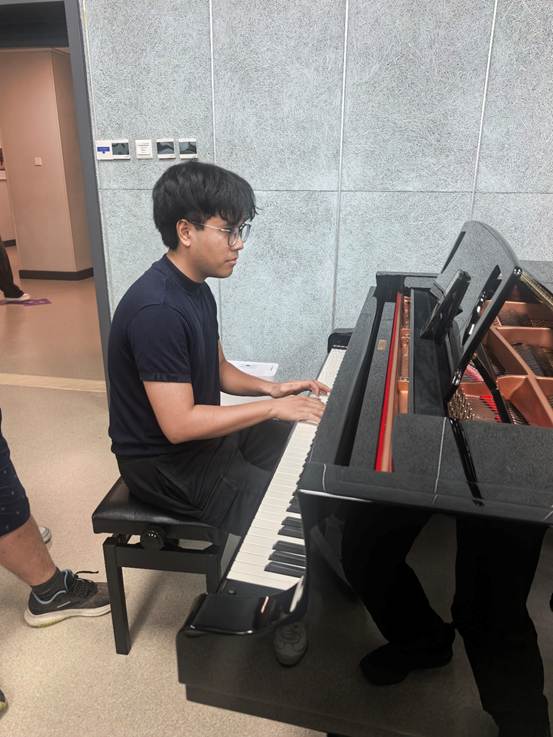
[Photo Group: Middle Eastern cuisine and student performances]
These exchanges were not part of any pre-arranged program, yet they became some of the experiences participants repeatedly recalled when reflecting on the summer school. Young people with different academic backgrounds, languages, and lifestyles gradually became familiar with one another through classes, trips, and discussions, forming friendships that transcended national and university boundaries.
Before the summer school concluded, the participants jointly prepared a special commemorative gift for the faculty and staff, creating their own way of preserving the memories of their time together at Tsinghua.
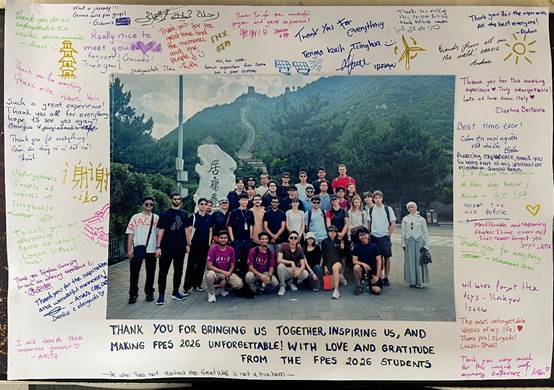
[Photo: Commemorative gift prepared by the participants]
The Department of Electrical Engineering at Tsinghua University launched the Future Power and Energy Systems (FPES) International Summer School in 2024. Over the past three years, the program has continued to bring together young students from around the world and build an international platform for learning and exchange on the future of power and energy through cutting-edge courses, research and industry experiences, and cross-cultural exchange. As the program has continued to grow, its impact has increasingly extended beyond the summer school itself. Some alumni have remained connected with Tsinghua after completing the program. Some have participated in Tsinghua's research exchange programs and pursued further academic and research collaboration, while others have chosen to return to Tsinghua to pursue doctoral degrees. The academic connections and friendships forged through the summer school continue to grow, making a positive contribution to the exchange of young talent, academic collaboration, and talent development in the power and energy sector.


















 News & Events