From July 6 to 17, the 2026 China–Italy Summer School on Advanced Manufacturing was successfully held in Beijing and Shanghai. The program was organized by the Department of Electrical Engineering and Applied Electronic Technology at Tsinghua University, with the University of Naples Federico II, the University of Bergamo, Capital Normal University, Beijing University of Technology, and Shanghai Dianji University jointly participating in its organization. Over the course of two weeks, a series of visits and academic lectures were held in Beijing and Shanghai. During the intensive 11-day program, young scholars from China and Italy explored the frontiers of industry and academia, visited leading enterprises and research institutions in depth, and attended eight cutting-edge academic lectures focusing on the convergence of advanced manufacturing and artificial intelligence, embarking on an exploratory journey integrating knowledge and practice.
I. Academic Lectures
This year’s summer school featured 11 instructional sessions covering eight distinct topics. The courses were held at Tsinghua University, Beijing University of Technology, Capital Normal University, and Shanghai Dianji University, covering topics including metal additive manufacturing, power semiconductors, Python data visualization and 5G networks, chip design, formal modeling and verification, digital innovation and mental health, electric vehicle systems, and technological innovation and startup creation.
Tsinghua University Sessions
The first lecture was entitled “The Future of Metal Additive Manufacturing: Technology, Economics and Environmental Sustainability” and was delivered by Professor Gianluca D'Urso of the University of Bergamo. The lecture examined metal additive manufacturing from technological perspectives including forming processes, material properties, and quality control, analyzing its potential for complex component design, small-batch customization, and manufacturing efficiency. It also addressed the performance, cost, and green manufacturing considerations that must be balanced as the technology moves from laboratory research toward large-scale industrial applications, taking into account equipment investment, production costs, material utilization, and environmental impacts across the entire life cycle.
The second lecture was entitled “Power Semiconductors: History, Challenges and Applications” and was delivered by Associate Professor Ji Shiqi of Tsinghua University. The lecture traced the technological evolution of power semiconductors from conventional silicon-based devices to wide-bandgap devices such as silicon carbide and gallium nitride, introduced their fundamental role in power conversion and control, and examined key challenges including efficiency improvement, thermal management, packaging, and reliability. Drawing on application scenarios such as new energy vehicles, renewable energy, and smart grids, the students gained a deeper understanding of the critical role of power semiconductors in supporting the electrification and efficiency of energy systems.
The third lecture was entitled “Python Data Visualization / 5G Networks” and was delivered by Professor Stefania Zinno of the University of Naples Federico II. The course introduced, on the one hand, the basic approaches to organizing, analyzing, and visualizing data using Python, guiding students to identify patterns and anomalies through intuitive graphical representations. On the other hand, it explained the basic architecture of 5G networks and their characteristics, including high bandwidth, low latency, and massive connectivity, and explored their applications in the Industrial Internet, smart manufacturing, and the Internet of Things.
Beijing University of Technology and Capital Normal University Sessions
The fourth lecture was entitled “Introduction to Chip Design” and was delivered by Professor Chen Zhijie of Beijing University of Technology. The lecture outlined the basic process of integrated circuit development, from requirements definition, system architecture, and logic design to functional verification, physical implementation, manufacturing, and testing. It introduced the hierarchical and modular approaches commonly used in chip design, as well as the trade-offs among performance, power consumption, and chip area. The course also incorporated electronic design automation tools and the division of responsibilities across the semiconductor industry chain, giving students an integrated understanding of how a design concept is transformed into a manufacturable and verifiable chip product.
The fifth lecture was entitled “Formal Modeling and Verification” and was delivered by Professor Wang Rui of Capital Normal University. The course introduced methods for using mathematical and logical languages to precisely describe the states, behaviors, and constraints of software and hardware systems, and for determining whether systems satisfy specified requirements through techniques such as model checking and theorem proving. Focusing on issues including concurrent behavior, state-space complexity, and safety properties, the lecture explained the fundamental role of formal methods in identifying potential design flaws, enhancing the trustworthiness of complex systems, and ensuring the reliable operation of safety-critical systems.
The sixth lecture was entitled “From Cognition to Action: How Digital Innovation Can Promote Mental Health” and was delivered by Associate Professor Xia Likun of Capital Normal University. The course examined how digital tools such as mobile applications, wearable devices, artificial intelligence, and telehealth services can improve the accessibility, timeliness, and personalization of mental health services, covering the full process from identifying and assessing mental health needs to intervention and ongoing support. At the same time, the lecture addressed issues including data privacy, algorithmic bias, user trust, and the digital divide, encouraging students to consider the ethical, social, and practical conditions that must be taken into account when transforming digital innovation from a technological solution into tangible improvements in health outcomes.
Shanghai Dianji University Sessions
The seventh lecture was entitled “Electric Vehicle Systems” and was delivered by Associate Professor Niu Wangqiang of Shanghai Maritime University. The course focused on the overall system architecture of electric vehicles, introducing the key components—including power batteries, traction motors, power electronic devices, vehicle control systems, and charging systems—and their interrelationships. It also examined key issues such as energy management, thermal management, driving range, charging efficiency, and operational safety. Through a system-level analysis, students learned that the performance of an electric vehicle does not depend on any single component, but rather on the integrated design and optimization of multiple interconnected subsystems.
The eighth lecture was entitled “Technological Innovation and Startup Creation” and was delivered by Professor Giorgio Ventre of the University of Naples Federico II. The course focused on the process of bringing technological achievements from ideas to market, introducing key stages such as needs identification, value proposition development, business model design, prototype development, and market validation. It also addressed common issues faced by startups, including team building, intellectual property, financing, and risk management. The lecture extended engineering and technical learning into the realms of innovation practice and entrepreneurial decision-making, encouraging students to consider how technological strengths can be transformed into viable products and sustainable businesses based on user needs and long-term commercial value.
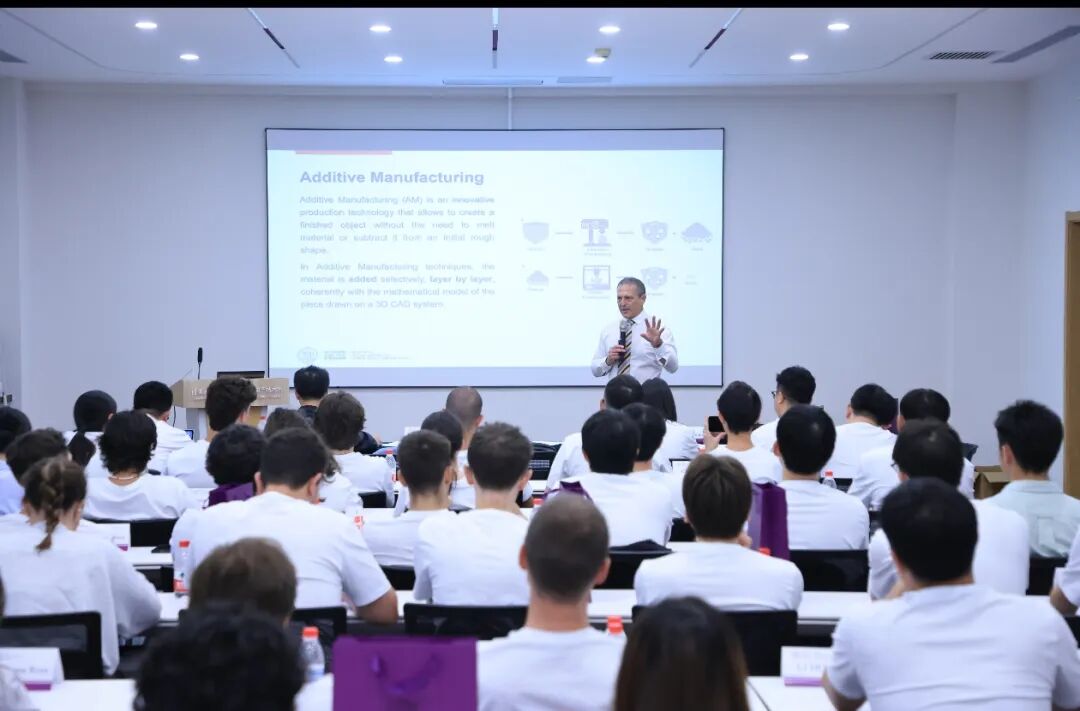
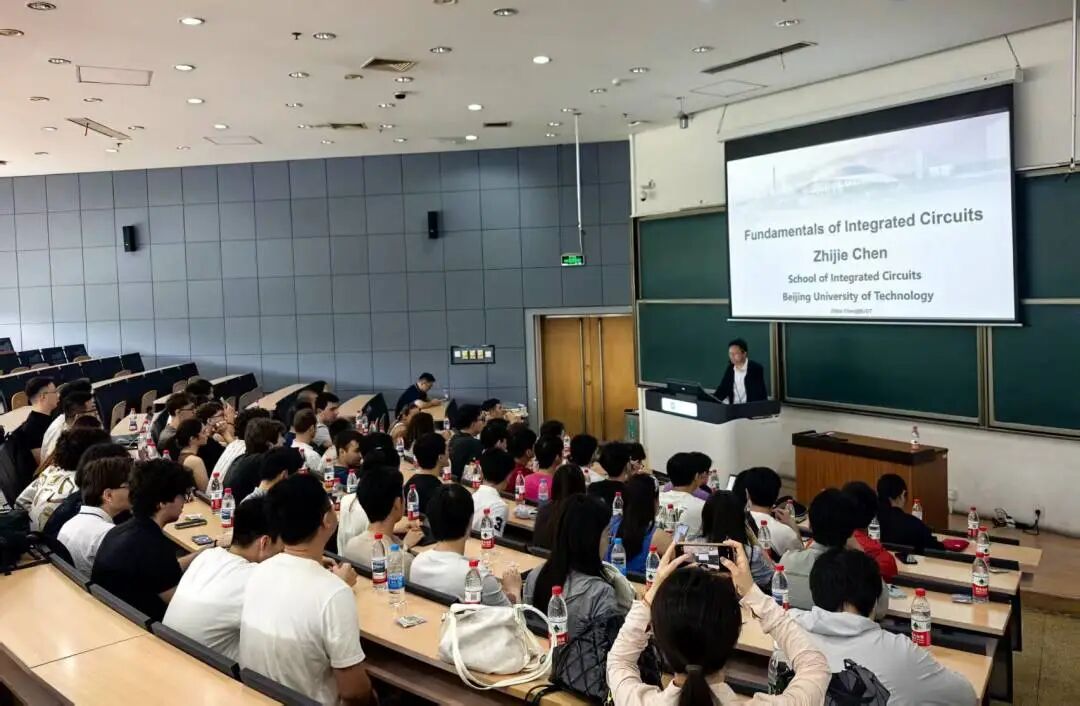
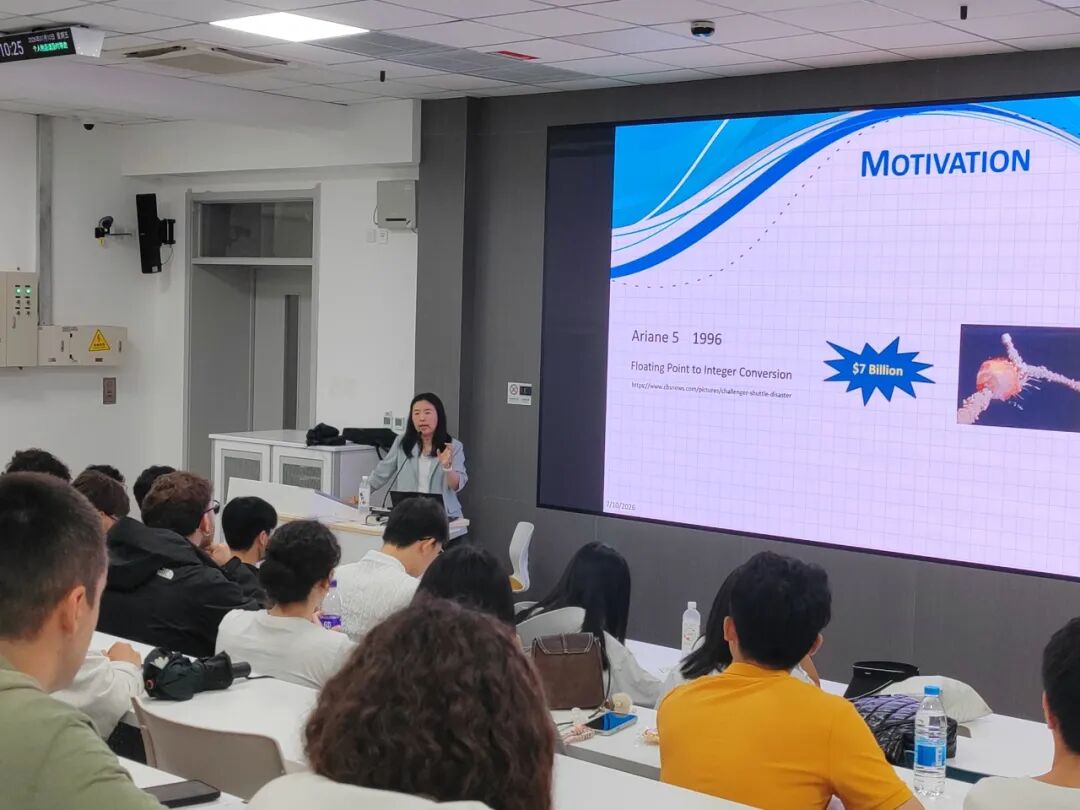
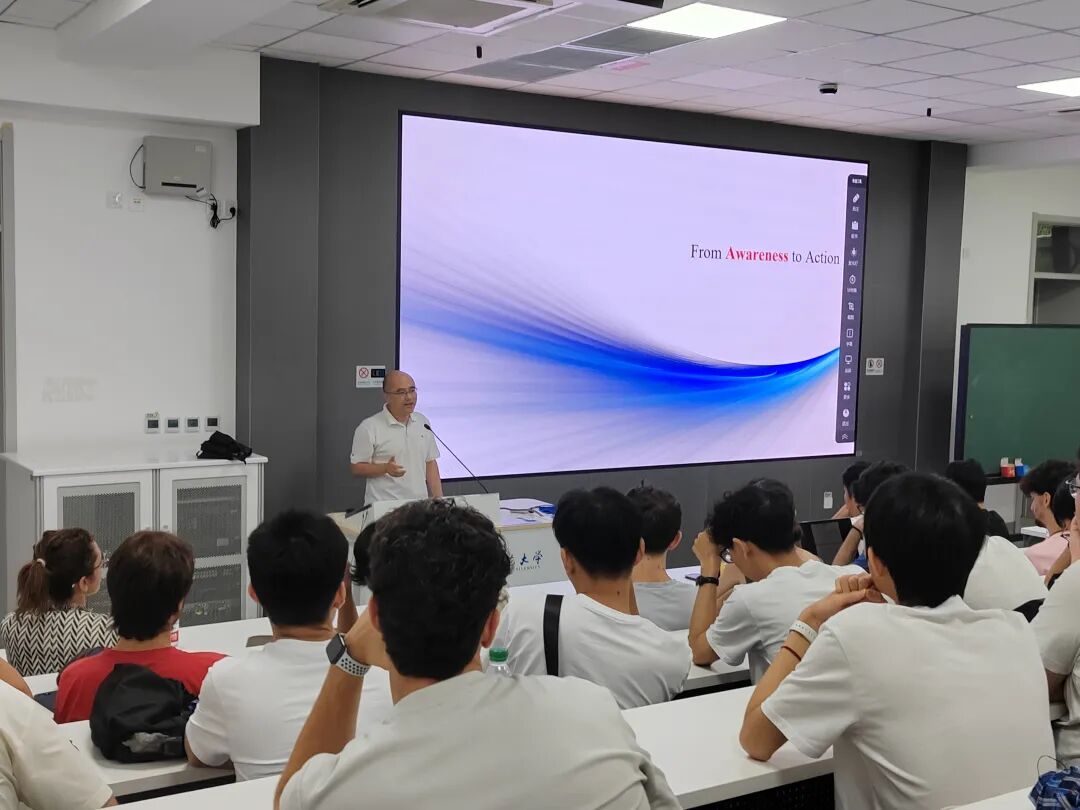
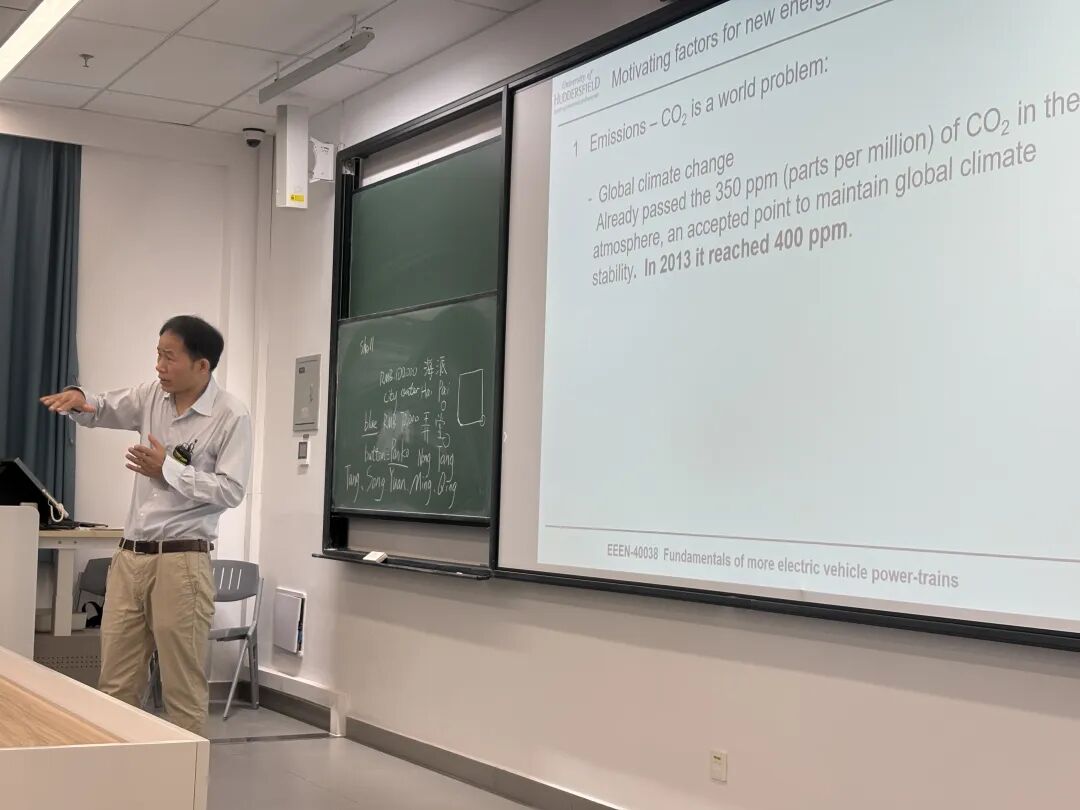
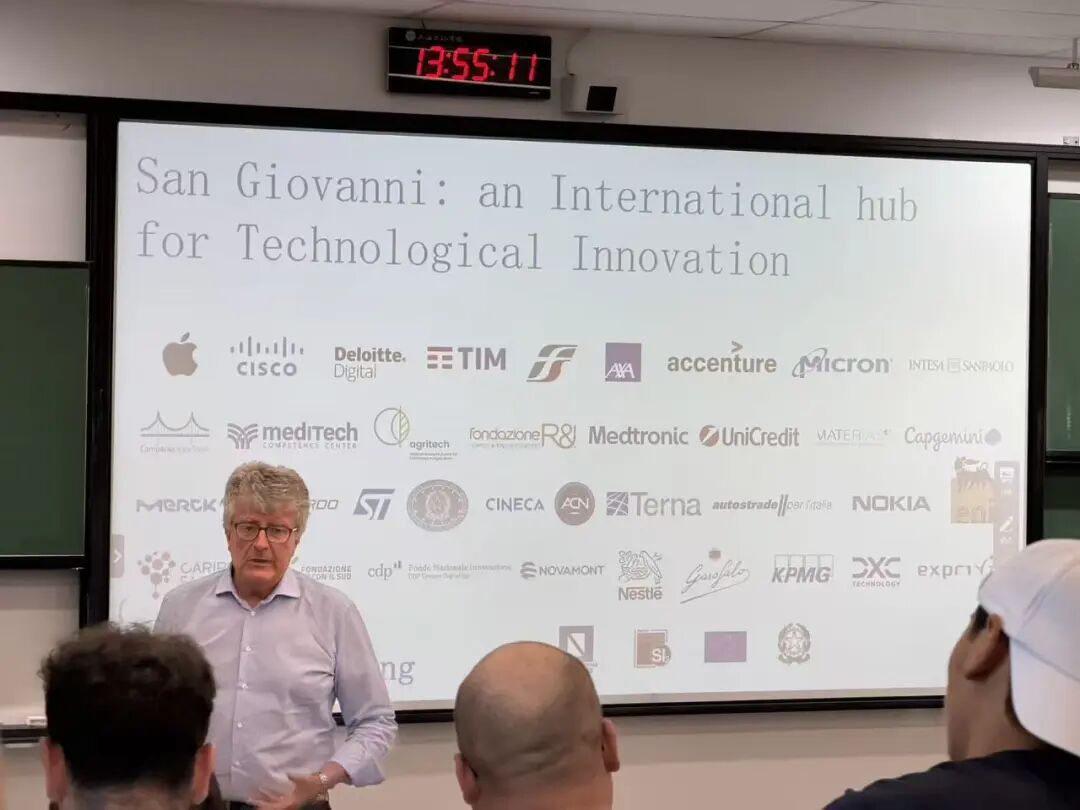
At the cutting-edge lectures
II. Laboratory and Enterprise Visits
This year’s summer school included three laboratory and enterprise visits in Beijing and Shanghai, covering display chip design, AI-enabled environmental governance, and intelligent manufacturing of large-scale power generation equipment. Closely integrated with the academic courses, these activities enabled students to understand how scientific and technological advances progress from theoretical research to industrial applications through stages including R&D and design, system control, and intelligent production.
Visit to Beijing Chipone Technology Co., Ltd.
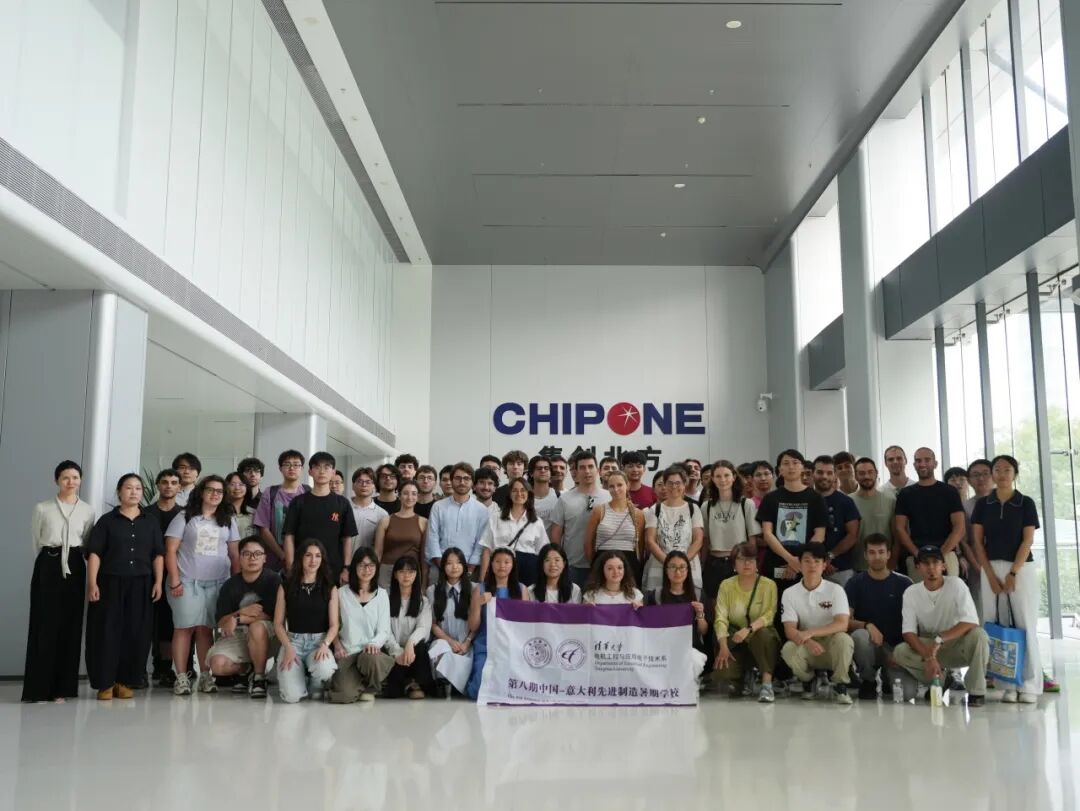
On the afternoon of July 8, the students visited Beijing Chipone Technology Co., Ltd. for an exchange and study visit. Through company presentations, product demonstrations, and technical discussions, the students learned about the company’s product portfolio in areas including display driver ICs, power management ICs, and LED display driver and control ICs, as well as the applications of these chips in display technologies such as LCD, LED, OLED, and AR/VR and in end-user products including smartphones, televisions, monitors, and wearable devices. Building on the “Introduction to Chip Design” course held that morning, the visit gave students a deeper understanding of the collaborative relationships among chip design companies, wafer fabrication, packaging and testing, panel manufacturing, and end-user applications, providing them with a more comprehensive view of the entire process through which display chip designs are transformed into actual products.
Visit to the Beijing Laboratory for Smart Environmental Protection at Beijing University of Technology
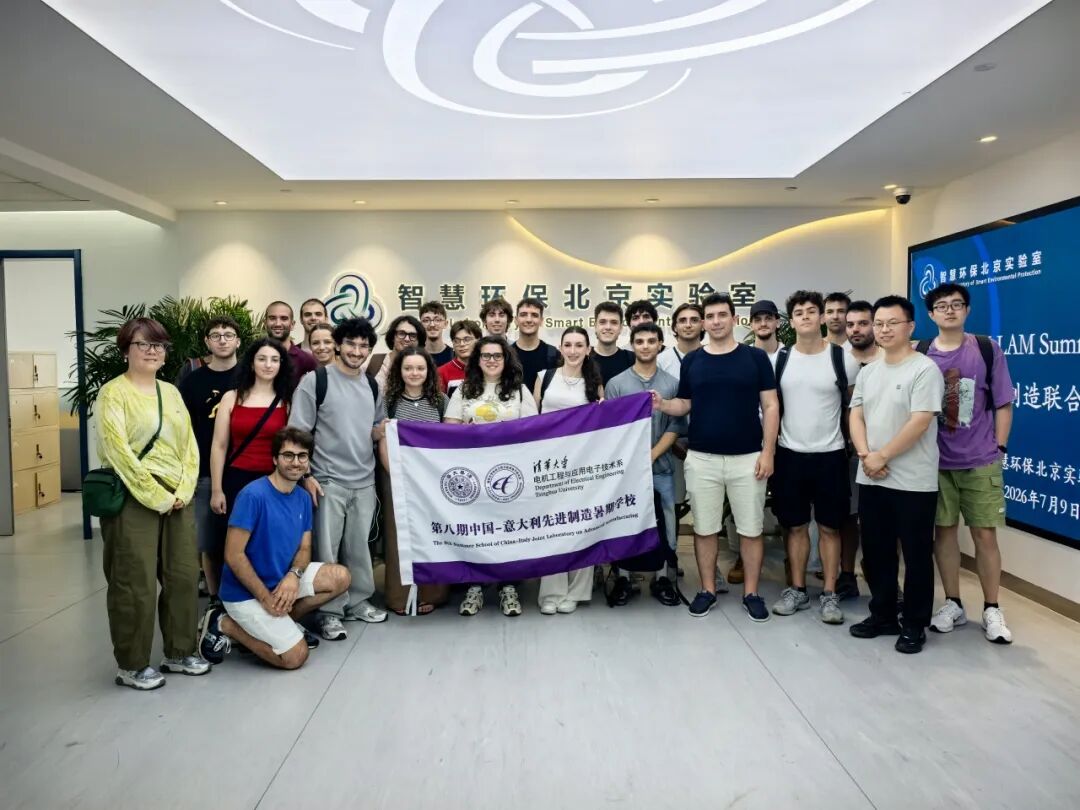
On the morning of July 9, the students visited the Beijing Laboratory for Smart Environmental Protection at Beijing University of Technology, where the visit continued until 11:30 a.m. With presentations by the laboratory’s researchers, the students learned about its major research areas, including environmental sensing and intelligent monitoring, intelligent modeling and digital twins, intelligent optimization and autonomous control, cloud–edge collaboration, and the Industrial Internet. They also discussed how sensor data can be transformed into pollution-control commands through model-based analysis, state prediction, and optimized decision-making. Using application scenarios such as urban wastewater treatment, solid waste incineration, and industrial combustion, the laboratory demonstrated the role of Internet of Things sensing, big data platforms, and intelligent control technologies in full-process operational monitoring and remote coordinated control. The activities gave students a direct understanding of how artificial intelligence can support source reduction, process emissions control, and end-of-pipe treatment, while deepening their understanding of the engineering application of interdisciplinary research outcomes.
Visit to the Generator Plant of Shanghai Electric Power Generation Equipment Co., Ltd.
On the afternoon of July 16, the students visited the Generator Plant of Shanghai Electric Power Generation Equipment Co., Ltd. Through a company presentation and a tour of the production facilities, the students learned about the product portfolio of large steam turbine generators and related power equipment, with particular attention to key manufacturing processes such as stator core stacking, coil manufacturing, rotor machining, final assembly, and quality inspection. During a subsequent presentation and discussion session, company engineers explained the basic principles and industrial implementation of synchronous condensers, helping students gain a deeper understanding of the role of large-scale power generation equipment in efficient energy conversion and new power systems. The visit also gave them a more tangible understanding of full-process quality control for complex electromechanical products, from design and manufacturing processes through assembly and testing.
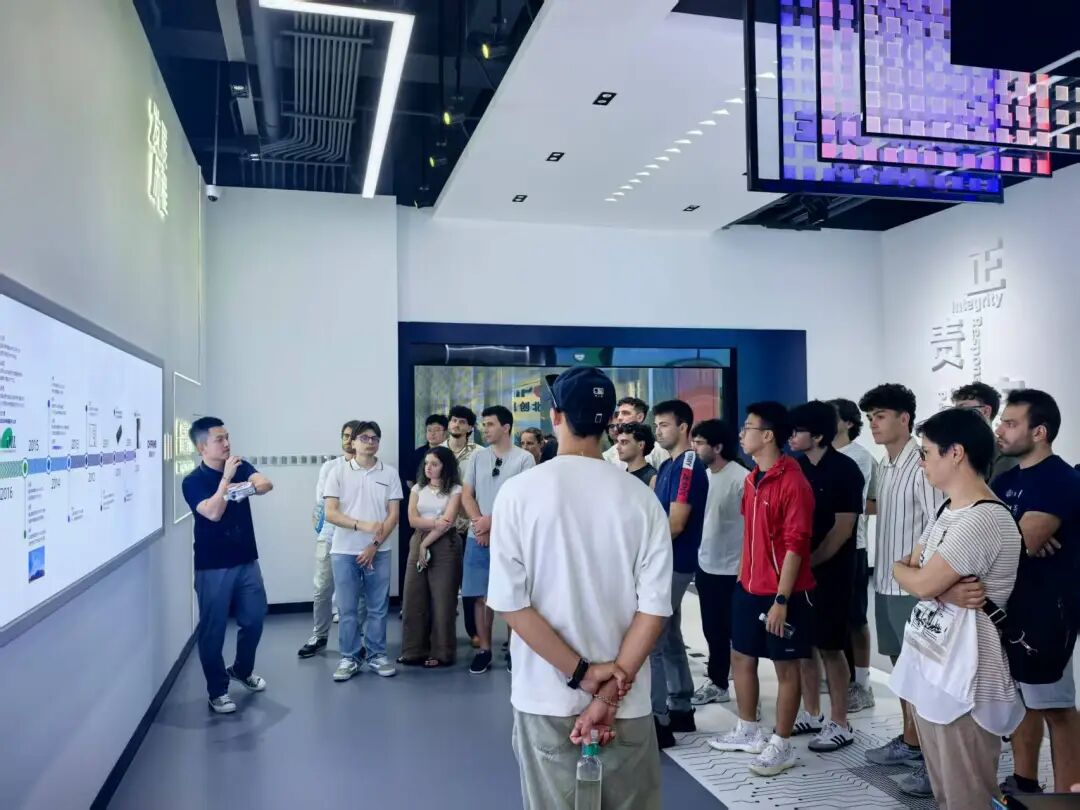
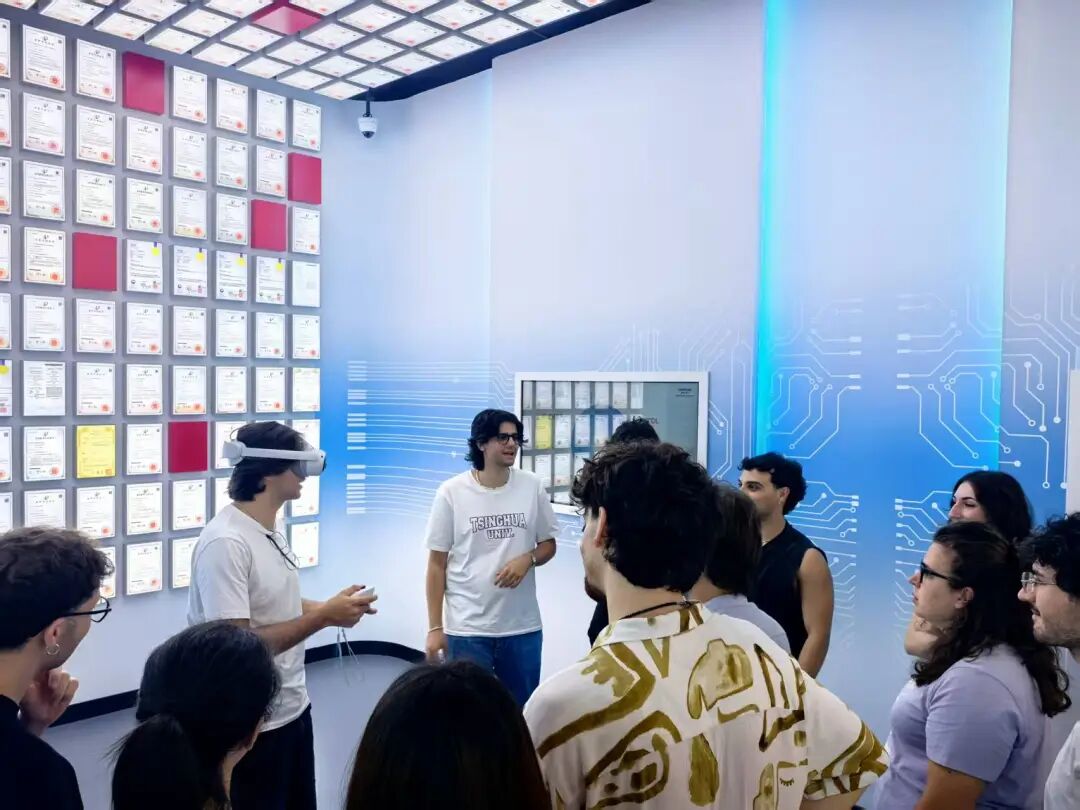
Laboratory and enterprise visits
III. Cultural Exchange
In addition to professional courses and site visits, the summer school featured cultural exchange activities held throughout the programs in Beijing and Shanghai. Through field visits, exhibition tours, and interactive experiences, students from the two countries not only experienced the historical heritage and aesthetic characteristics of traditional Chinese culture, but also observed how traditional culture continues to evolve and find new expression in modern design, technological innovation, and urban development, further enhancing mutual understanding and exchange.
Visit to the Summer Palace
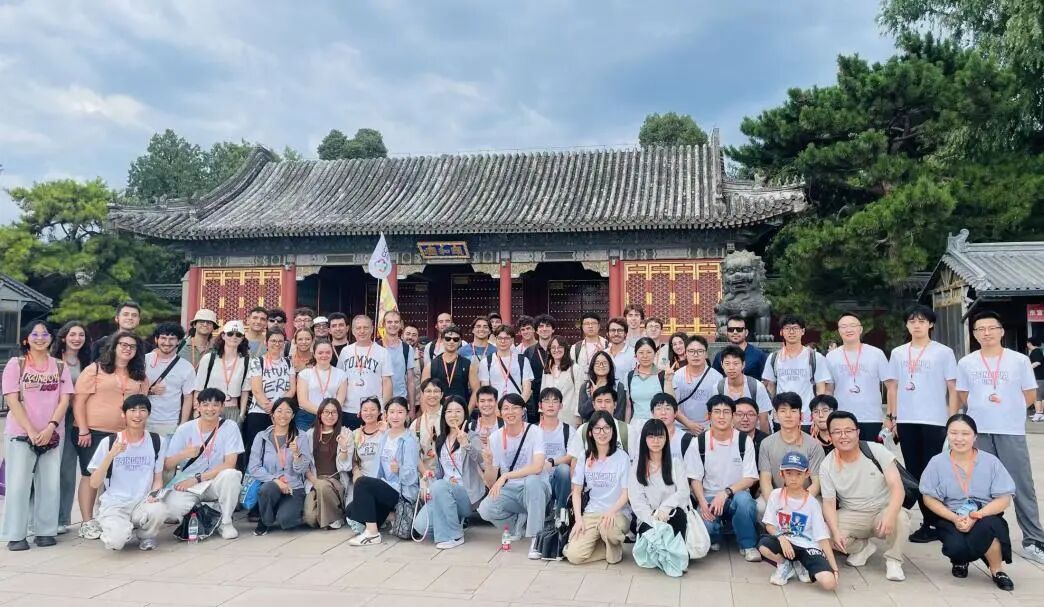
On the afternoon of July 7, the students visited the Summer Palace for a cultural experience, with activities continuing until the evening. The visit centered on the landscape formed by Kunming Lake, Longevity Hill, and the surrounding garden architecture. As they explored the grounds, the students learned about the Summer Palace’s history, its functions as an imperial garden, and its cultural heritage value. They also experienced the aesthetic philosophy of classical Chinese gardens, which seeks to harmonize human design with natural landscapes, and exchanged views on the preservation of historic architecture and the transmission of cultural heritage.
Traditional Hanfu Cultural Experience
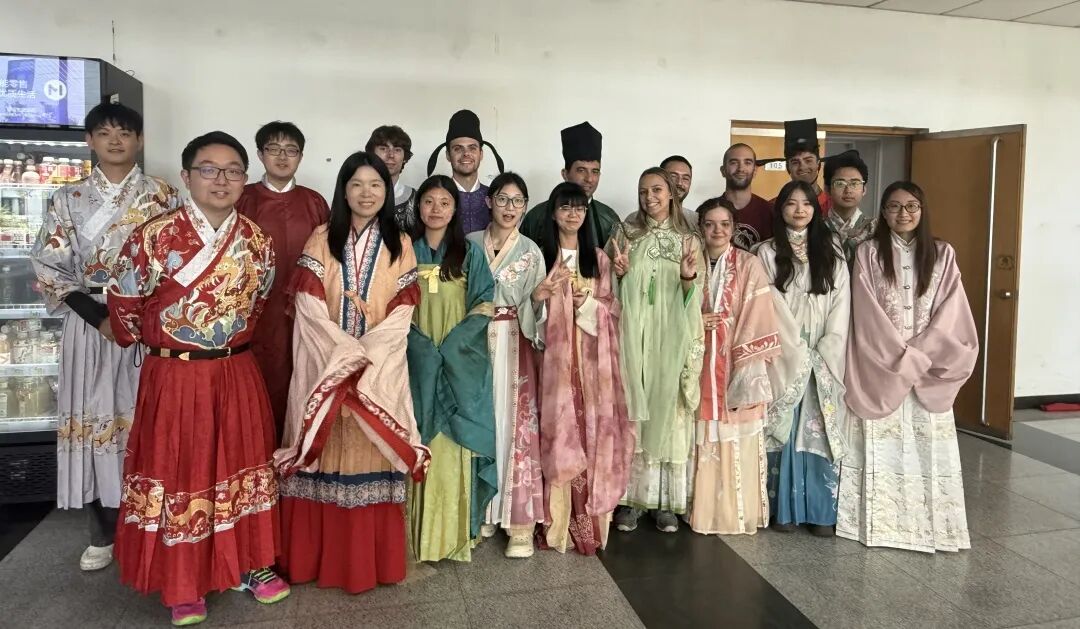
On the afternoon of July 9, a traditional Hanfu cultural experience was held at Beijing University of Technology. Through explanations and demonstrations of traditional attire, the activity introduced the basic forms of Hanfu, including the structure of the front opening, sleeve styles, waist ties, and overall coordination, as well as the characteristics of clothing from different historical periods in terms of color, patterns, and methods of wearing. Through the appearance and design of the garments, students gained a deeper understanding of the ritual concepts, expressions of identity, and traditional aesthetics embodied in Hanfu. Through interactive exchanges, they also explored the connections among fashion design, textile craftsmanship, and social culture.
Visit to the Tsinghua University Art Museum
On the afternoon of July 10, the students visited the Tsinghua University Art Museum. Through its collections and special exhibitions featuring calligraphy and painting, textiles and embroidery, ceramics, furniture, bronzeware, and modern multidisciplinary artworks, the students explored the evolution of different materials, techniques, and artistic forms, while gaining an appreciation of the aesthetic principles, practical functions, and sophisticated craftsmanship embodied in traditional Chinese art and design. The diverse range of exhibitions provided Chinese and Italian students with a window into artistic expression across different cultural contexts, while inspiring them to consider how contemporary design and digital technologies can contribute to the preservation and innovative transformation of traditional craftsmanship.
Shanghai Urban Cultural Tour
On July 15, the students embarked on a cultural tour of Shanghai, visiting the Oriental Pearl Tower, the Shanghai History Museum, and the Bund. At the Oriental Pearl Tower, the students experienced Shanghai’s modern urban development through views of the Lujiazui skyline and the landscapes along both banks of the Huangpu River. At the Shanghai History Museum, they explored the city’s historical development from coastal settlements and Jiangnan market towns to a modern international metropolis through permanent exhibitions such as “Ancient Shanghai” and “Modern Shanghai.” The students then took a stroll along the Bund, observing the contrast between its historic architectural ensemble and the modern skyscrapers of Lujiazui. From the perspectives of urban planning, architectural preservation, and adaptive reuse, they gained an understanding of Shanghai’s distinctive character as a city that integrates historical traditions with modern development.
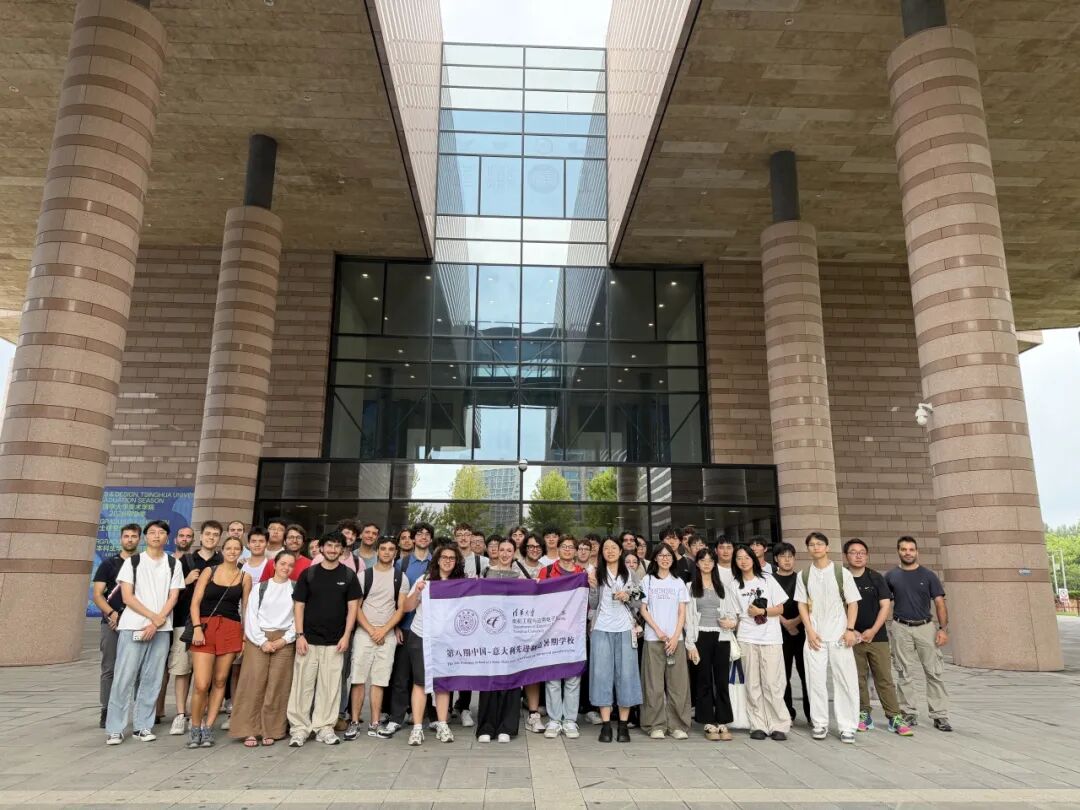
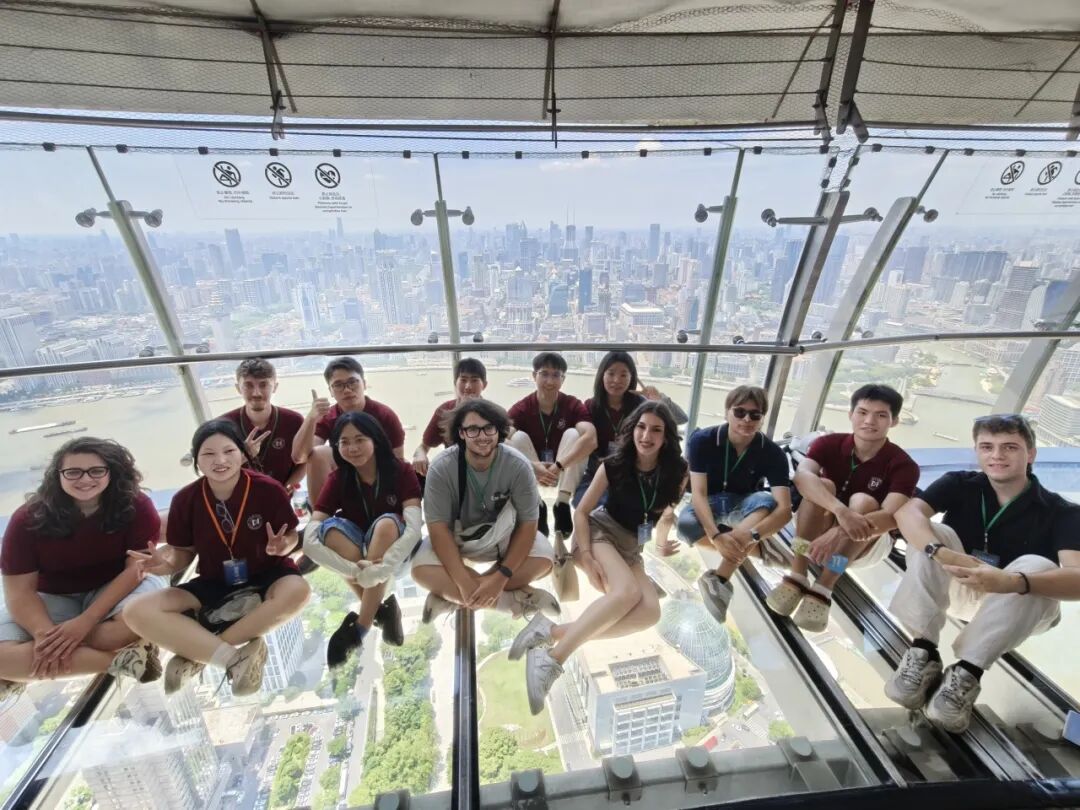
Cultural exchange activities
IV. Conclusion
Through enterprise and laboratory visits, academic lectures, and cultural exchange activities, this year’s China–Italy Summer School on Advanced Manufacturing provided students with a platform to understand the latest trends in advanced manufacturing and explore key applications of artificial intelligence. The students visited chip design companies and power equipment manufacturers to learn about display chip design and the intelligent manufacturing of large-scale power generation equipment. They also visited a smart environmental protection laboratory to explore the applications of artificial intelligence, digital twins, and intelligent control in environmental governance. Through eight lectures covering a diverse range of topics—including additive manufacturing, power semiconductors, digital technologies, chip design, electric vehicles, and innovation and entrepreneurship—they engaged in in-depth exchanges with leading scholars in these fields. The diverse cultural exchange activities further broadened the students’ understanding of Chinese history and culture and strengthened the friendship between young people from China and Italy. The rich and rewarding summer school program deepened young scholars’ understanding of cutting-edge technologies in advanced manufacturing, broadened their international perspectives, and laid a solid foundation for their future academic and professional development.
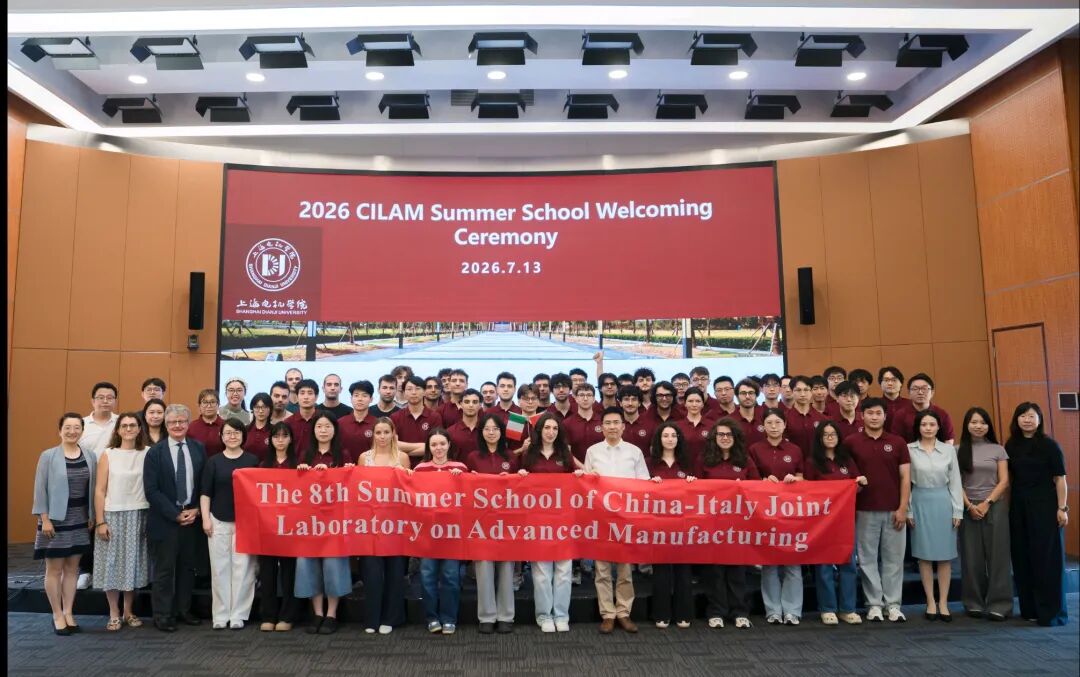
Group photo of summer school faculty members and students
The China–Italy Joint Laboratory on Advanced Manufacturing (CI-LAM) is one of the earliest collaborative institutions established between China and Italy in the fields of smart manufacturing, smart factories, and the digitalization of manufacturing. CI-LAM is dedicated to promoting and strengthening cooperation between the two countries in talent development and cutting-edge technology research and development, including technology transfer and startup incubation. Its vision is to become the most effective and successful bridge for cooperation between China and Italy in the fields of advanced manufacturing and intelligent robotics. The China–Italy Summer School on Advanced Manufacturing is one of the major student exchange programs organized by CI-LAM. The inaugural China–Italy Summer School was held in Naples, Italy, in 2019. In 2020, CI-LAM was approved by China’s Ministry of Science and Technology to be established as the China–Italy Belt and Road Joint Laboratory on Advanced Manufacturing, becoming a national-level joint laboratory. Due to the COVID-19 pandemic, the three editions of the China–Italy Summer School held from 2020 to 2022 were conducted entirely through online lectures and academic exchanges. The fifth China–Italy Summer School was held in Bergamo and Naples, Italy, in 2023; the sixth was held at Tsinghua University in 2024; and the seventh was held in Milan, Bergamo, and Naples in 2025. In 2026, the eighth China–Italy Summer School adopted a dual-city format linking Beijing and Shanghai, further expanding the scope of exchanges between young people from China and Italy.


















 News & Events