On the morning of December 9, the Young Faculty Salon and the annual working meeting of the “Young Faculty Development Advisory Group” of the Department of Electrical Engineering and Applied Electronics (EEA), Tsinghua University, were held in the West Main Building. The meeting was conducted in a hybrid online–offline format and chaired by Wu Wenchuan, Deputy Party Secretary of EEA. Zheng Xiaodi, Deputy Director of the Faculty Affairs Office and Director of the Faculty Development Center, Kang Chongqing, Dean of the Department, Zheng Zedong, Party Secretary of the Department, advisor mentor representatives, and young faculty representatives who joined the university in 2022 and thereafter attended the meeting. Representatives of industry and international mentors, including Dr. Stephan Schlamminger from the National Institute of Standards and Technology (NIST), USA, Xie Kai, General Manager of Beijing Power Exchange Center, and Liang Zhiming, senior expert from Dongfang Electric Machinery Co., Ltd. of Dongfang Electric Group, participated online and delivered remarks.
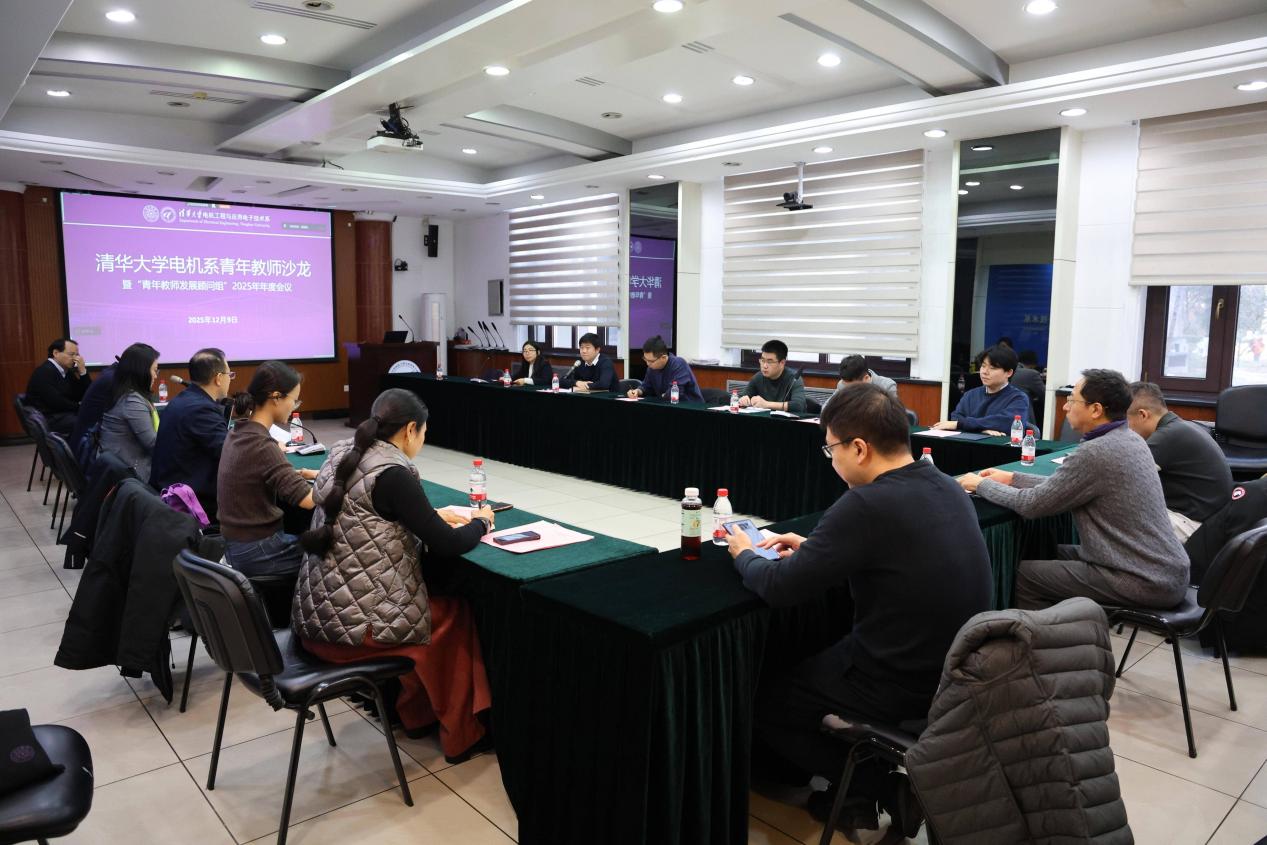
At the meeting
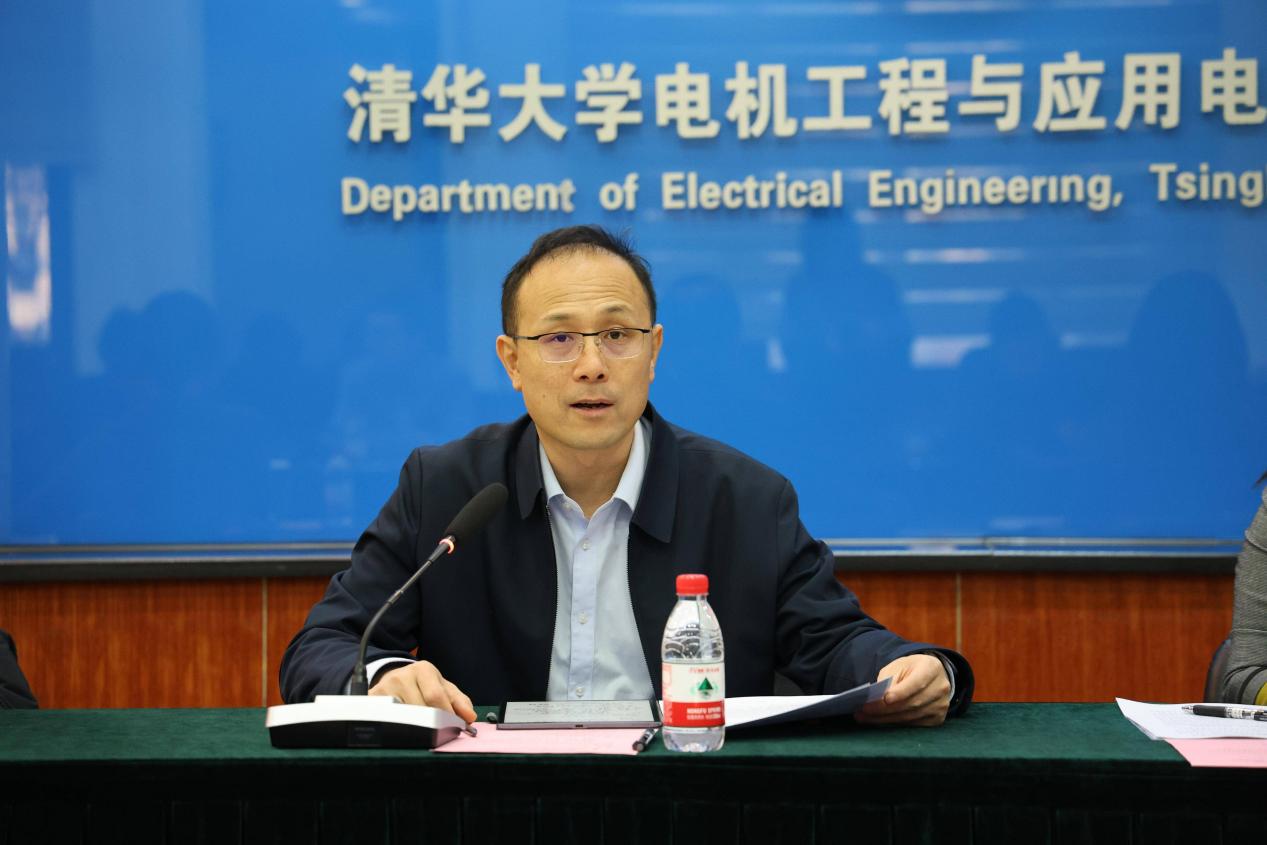
Zheng Zedong delivering remarks
In his opening remarks, Zheng Zedong systematically reviewed the objectives and development process of the system since its launch as a university pilot program in 2021. EEA has established a guidance system encompassing three types of support—expert guidance, peer assistance, and industry support—building a solid platform for the career start and long-term development of young faculty members. He particularly noted that with the successful completion of the first three-year appointment term of faculty members hired in 2022, the system has demonstrated significant phased achievements.
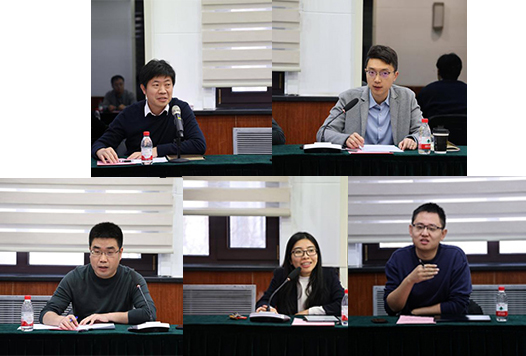
Young faculty representatives delivering remarks
During the achievements reporting session, four young faculty representatives hired in 2022 shared their growth paths and gains under the guidance of diverse mentors. Professor Li Shisong reported progress in teaching capability development and international frontier research collaboration. In an online remark, his international mentor Dr. Schlamminger expressed appreciation for his academic potential and collaborative outcomes, and emphasized the lasting value of open scientific exchange. Professor Guo Hongye introduced his comprehensive development in teaching and education, expansion of international perspectives, and service to national and industrial needs. In an online evaluation, his industry mentor General Manager Xie Kai affirmed the bidirectional role of deep industry–academia–research integration in promoting theoretical and practical innovation. Professor Zhong Shaolong shared explorations in interdisciplinary research and industry–academia–research collaboration, while Professor Peng Lisha focused on breakthroughs in undertaking national-level projects and advancing technology transfer. Lin Chenhui, who joined in 2023, described growth and achievements in research direction, interdisciplinary integration, and international academic participation under the support of the mentorship system.
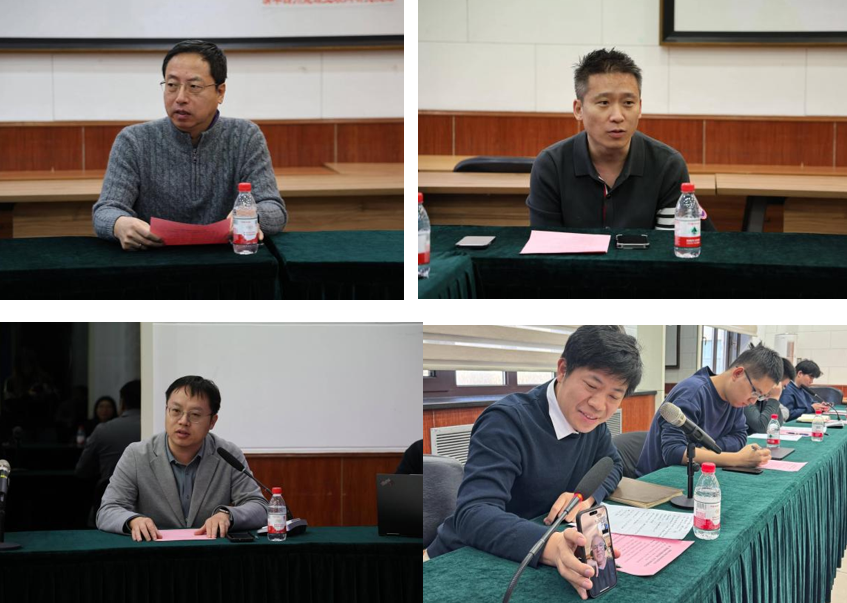
Advisor mentor representatives delivering remarks
During the advisory group exchange session, multiple mentors shared their guidance experiences. Senior Professor Huang Songling pointed out that proactive consultation and sustained communication by young faculty members are key to the effectiveness of the system. Peer mentor Zhang Pinjia believed that the guidance process is also an opportunity for self-reflection and improvement, forming a virtuous cycle of mutual learning between teaching and learning. Interdisciplinary mentor representative Du Ershun, drawing on his own research in low-carbon energy, emphasized the unique platform value provided by the system for promoting cross-direction academic dialogue and collaboration.
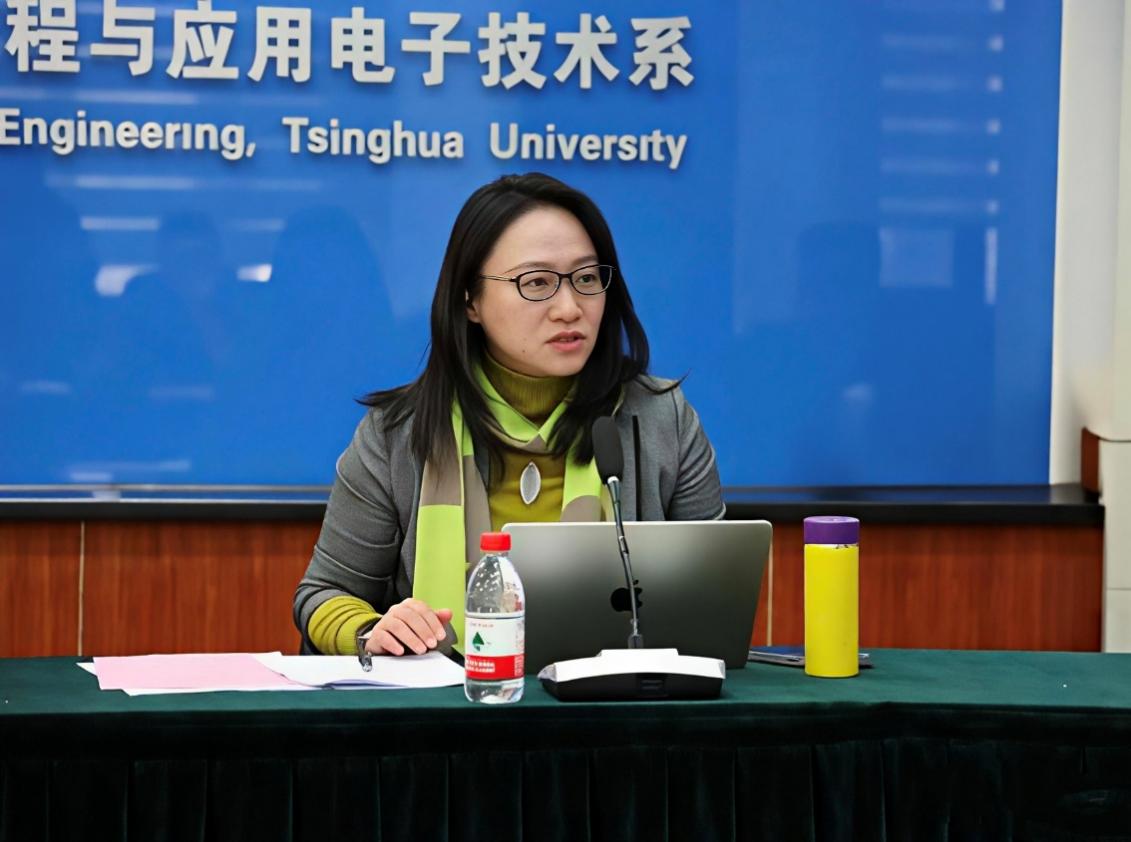
Zheng Xiaodi delivering remarks
In her remarks, Zheng Xiaodi highly recognized the innovation and effectiveness of the mentorship system in EEA, particularly affirming its structured and multi-dimensional mentor combination model, and introduced university-level plans to promote cross-disciplinary mentor exchange and experience sharing.
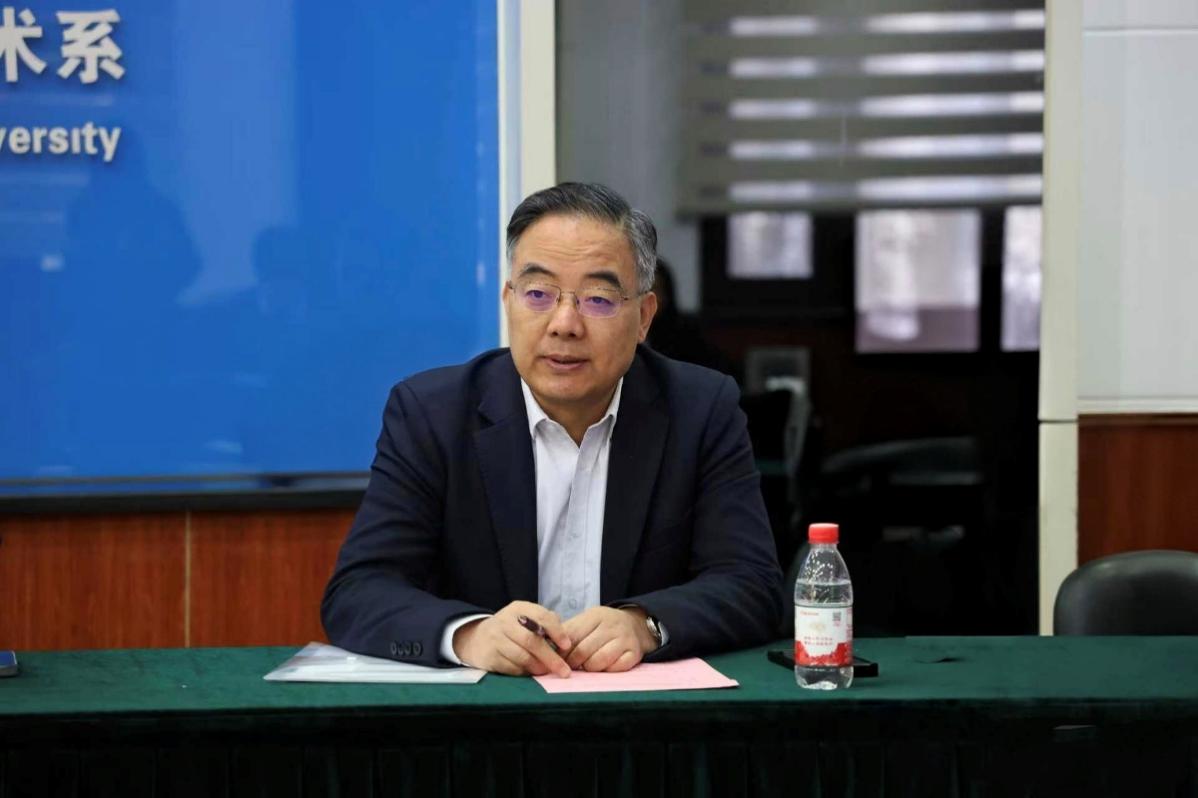
Kang Chongqing delivering remarks
In his concluding remarks, Kang Chongqing expressed heartfelt thanks to all advisory mentors, especially the international and industry experts who participated online, for their dedicated guidance. He then, in light of national strategic needs and the mission of Tsinghua University, put forward three clear expectations for all young faculty members of the Department:
First, cultivate a strong sense of mission. Young faculty members should consciously integrate personal development into the broader context of serving the national energy strategy and achieving high-level technological self-reliance, aspire to solve “bottleneck” problems in key fields, and strive to become “great teachers” capable of cultivating first-class talents and producing first-class achievements.
Second, maintain a strong sense of urgency. In the face of rapidly changing technological landscapes and intense disciplinary competition, it is essential to strengthen awareness of opportunities and a spirit of initiative, actively transform pressure into driving force for innovation, find one’s position in major historical processes such as energy transition and the construction of new power systems, and grow rapidly.
Third, shoulder a strong sense of responsibility. As Tsinghua faculty members, one should hold deep respect for the expectations embodied in the name “Tsinghua” and demand the highest standards of oneself. One should both devote oneself to teaching and education, cultivating outstanding students who will lead the future, and focus on frontiers, striving to propose “Tsinghua solutions” and make a strong voice heard in respective fields, truly shouldering the responsibilities entrusted by the times.

















 News & Events