To implement relevant policy directives, “build a batch of zero-carbon parks,” accelerate the development of the digital economy, promote the deep integration of the digital economy and the real economy, and foster the development of new quality productivity, the 2025 Industrial Integrated Energy Efficiency Conference with the theme “Accelerating the Development of Zero-Carbon Parks and Promoting Digitalized Energy Conservation and Carbon Reduction” was successfully held on November 15 in Wuqing District, Tianjin. The conference was hosted by the Comprehensive Energy System Committee of the China Association of Energy Conservation and Clean Production, co-organized by Tebian Electric Apparatus Investment & Technology Co., Ltd. and the Tsinghua University Energy Internet Innovation Research Institute, and jointly supported by the Department of Electrical Engineering and Applied Electronics, Tsinghua University, Tsinghua Sichuan Energy Internet Research Institute, National Key Laboratory for Operation and Control of New Power Systems, Smart Energy and Zero-Carbon Parks Branch of the China Association of Energy Conservation and Clean Production, and Energy Working Committee of the China Information Association.
President Wang Xiaokang of the China Association of Energy Conservation and Clean Production, U.S. National Academy of Engineering member, IEEE Vice President and IEEE Fellow Tan Fangdong (online), former Director of the Information Center of the National Energy Administration Liang Jianyong, Deputy Chief Economist of the Power Planning and Design Institute and Chairman of Zhongneng Zhixin Technology Industrial Development Co., Ltd. Yang Jun, Professor Kang Chongqing, Dean of the Department of Electrical Engineering, Director of the Tsinghua University Energy Internet Innovation Research Institute and Tsinghua Sichuan Energy Internet Research Institute, President Wang Yongjie of the Energy Working Committee of the China Information Association, Deputy Secretary-General Ren Yujie of the China Association of Energy Conservation and Clean Production, Vice President Zhao Jing of Tebian Electric Apparatus Co., Ltd., and more than 140 industry experts, association representatives, corporate delegates, and media representatives attended the conference. The conference was also live-streamed via the Tsinghua University Energy Internet Innovation Research Institute and Tsinghua Sichuan Energy Internet Research Institute platforms, attracting over 3,500 online viewers. The conference was chaired by Sun Kai, Deputy Director of the Comprehensive Energy System Committee and Deputy Dean of the Department of Electrical Engineering, Tsinghua University.
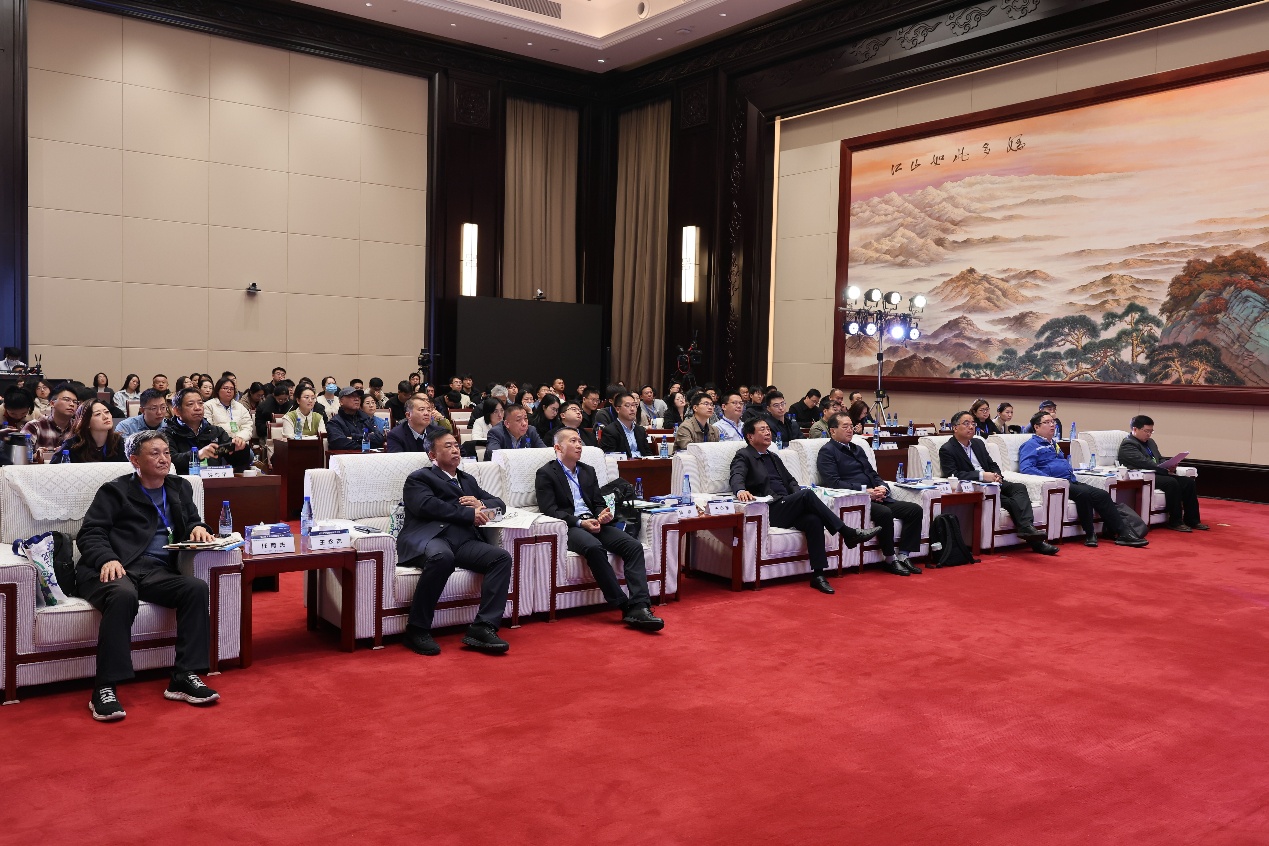
Conference Scene
Wang Xiaokang, President of the China Association of Energy Conservation and Clean Production, extended a warm welcome to all attending experts and industry representatives. In his speech, he noted that the conference theme aligns closely with the green transformation initiatives in the “15th Five-Year Plan” recommendations. Currently, industrial energy consumption accounts for over 60% of total societal energy use, making the improvement of comprehensive industrial energy efficiency highly significant. He emphasized that industrial integrated energy efficiency embodies a systemic, value-oriented energy concept, shifting from single-point energy savings to global coordinated optimization across technology, system, management, and structural dimensions. It represents a core pathway for achieving green, low-carbon, and high-quality industrial development. The Association has promoted zero-carbon demonstration projects in over 200 parks, authorized multiple evaluation service institutions, with some parks achieving energy efficiency improvements exceeding 20%. In the future, the Association will focus on standard guidance, technology integration, and collaborative ecosystems to assist in the systematic reconstruction of the industrial energy system.
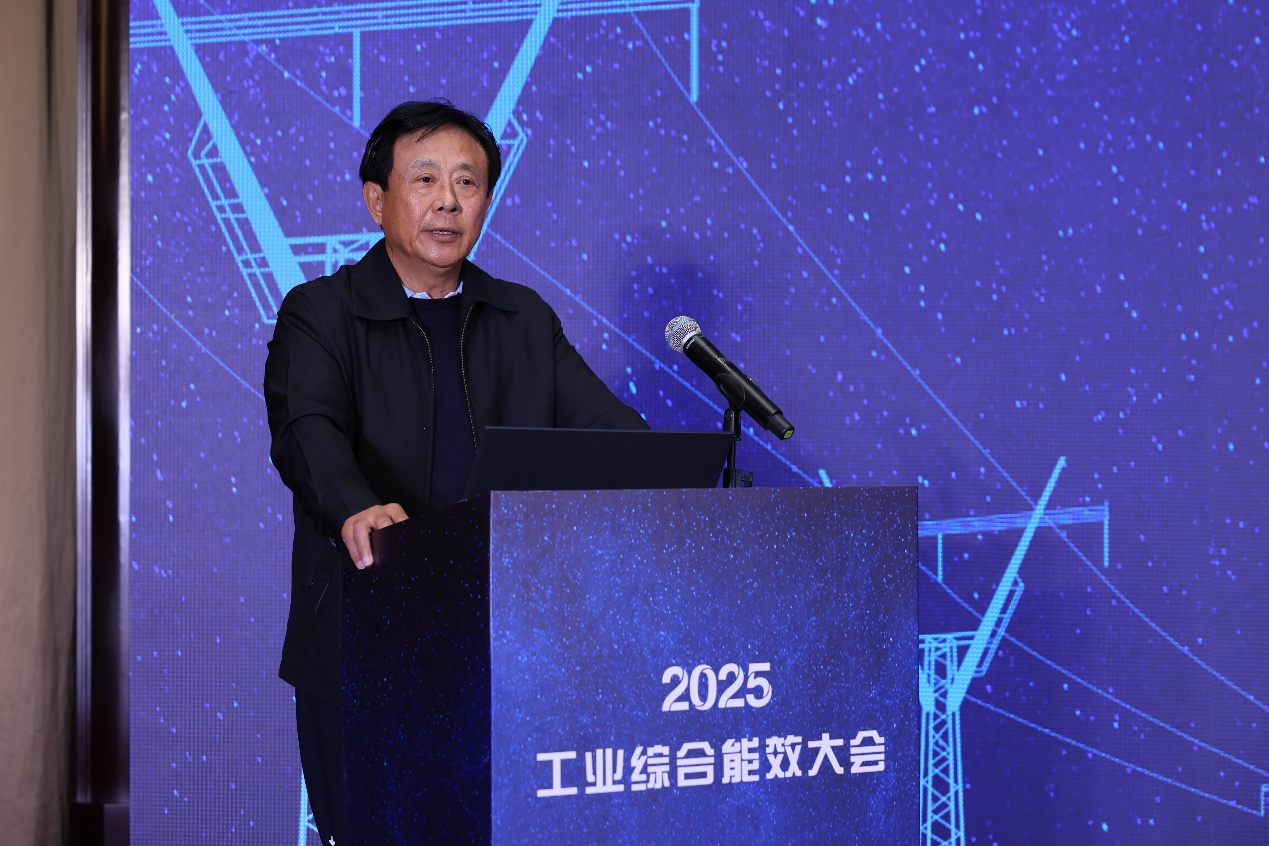
President Wang Xiaokang
Professor Kang Chongqing, Dean of the Department of Electrical Engineering, Dean of the Tsinghua University Energy Internet Innovation Research Institute, and Tsinghua Sichuan Energy Internet Research Institute, highlighted in his speech that with the rapid growth of new loads such as data centers, China’s projected electricity demand for 2060 has been revised upward from the original 15 trillion kWh to 18–22 trillion kWh. By reducing PUE values of data centers and applying digitalized energy-saving technologies, electricity demand can be effectively controlled. He emphasized that zero-carbon parks, as critical carriers, can achieve precise energy matching and dual carbon control through multi-energy coordination and deep integration of digital technologies. The Tsinghua team is conducting research on system planning for zero-carbon parks and industrial microgrids, providing support for advancing industrial green transformation.
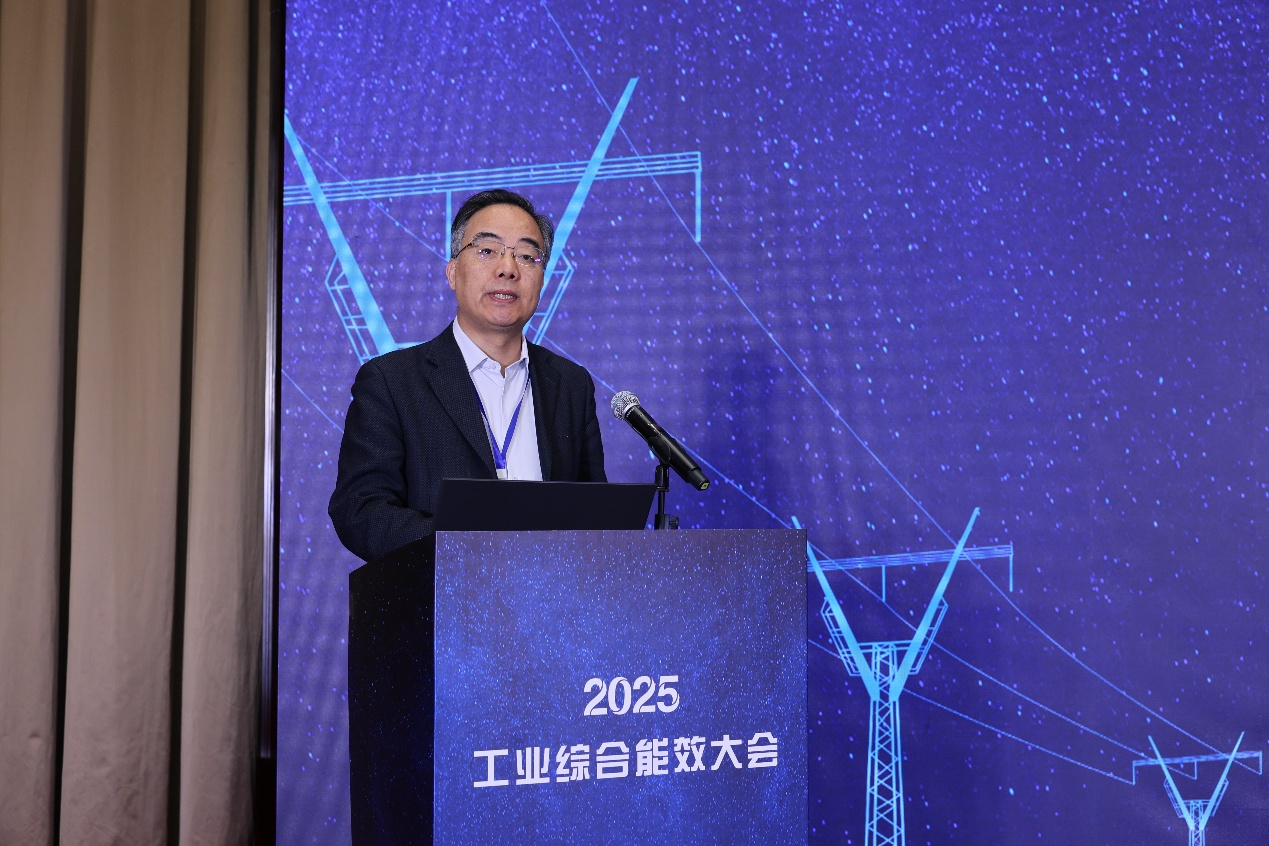
Professor Kang Chongqing
In the keynote report session, U.S. National Academy of Engineering member, IEEE Vice President, and IEEE Fellow Tan Fangdong delivered an online keynote titled “Towards Full Electrification: Ultra-Fast Charging Technology and Broad-Coverage Infrastructure.” He stated that transportation electrification is one of the key pathways to achieve zero-carbon goals. He noted that electric vehicles have made significant breakthroughs in drive systems, battery technology, and manufacturing costs, and their overall cost-performance ratio now surpasses that of traditional fuel vehicles, marking a clear revolutionary trend. To address charging anxiety, diversified solutions combining home charging, public fast charging, and integrated PV-storage-charging microgrid stations are required. He emphasized that microgrids are core units in building flexible and controllable new power systems. Looking forward, after overcoming electrification for passenger cars, focus will shift to medium and heavy trucks, short-distance aircraft, and ships, ultimately advancing the entire transportation system toward a zero-carbon future.

Academician Tan Fangdong
Former Director Liang Jianyong of the Information Center of the National Energy Administration delivered a keynote titled “‘AI+’ Refreshing Zero-Carbon Park Construction Paradigms: Smart Brains Reshape Energy Saving and Carbon Reduction Ecology.” He stated that zero-carbon parks, as core carriers for achieving the “dual carbon” goals, are entering a new “AI+” paradigm. He highlighted that the national level has established a complete policy framework, including top-level design, special deployments, and standards support, integrating AI deeply into energy production and carbon management. In practice, AI technology has achieved significant results in wind and solar power forecasting, source-grid-load-storage coordination, and dynamic carbon accounting, helping pilot parks increase energy efficiency by 12–18% and reduce carbon emissions by 15–40%. In the future, China will further improve standards guidance, technology support, and market incentive systems to advance zero-carbon parks toward autonomous evolution.
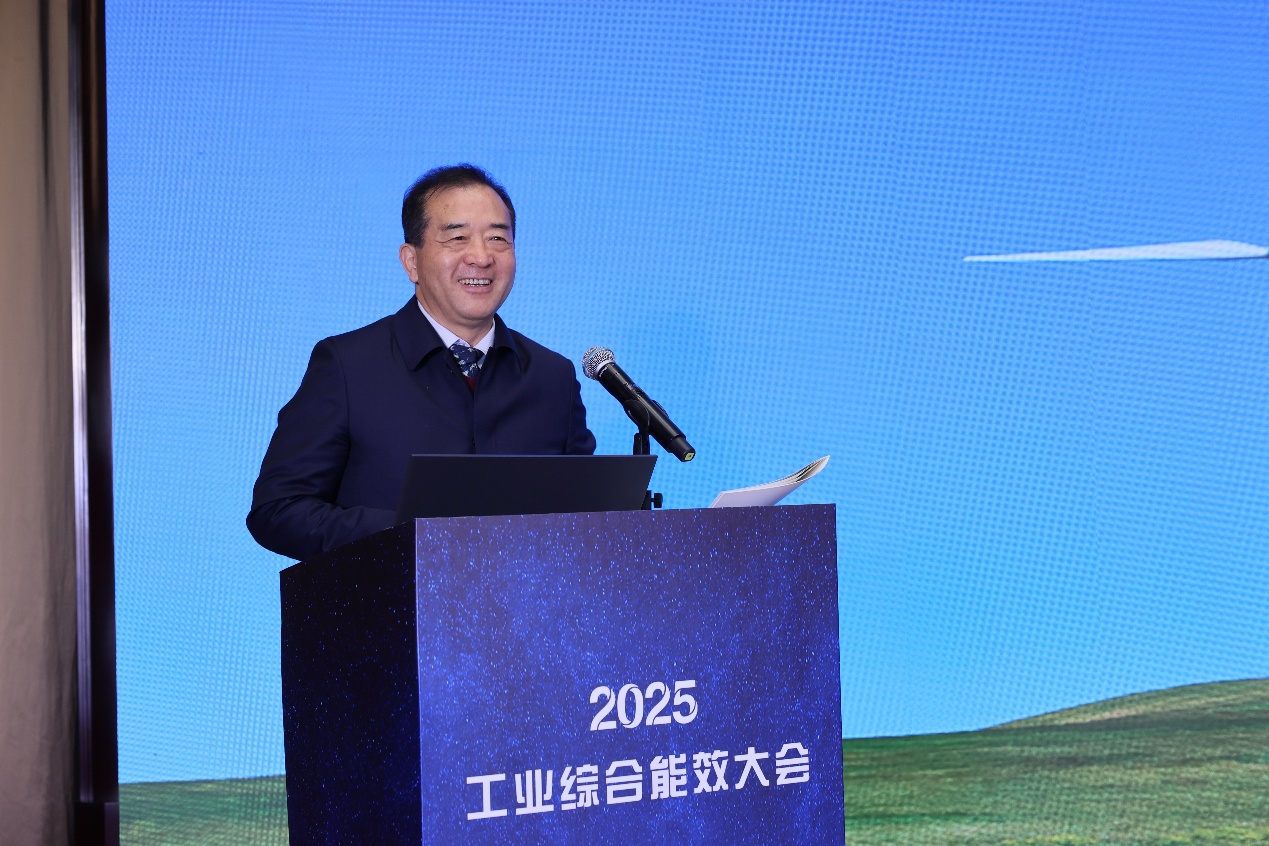
Director Liang Jianyong
Deputy Chief Economist of the Power Planning and Design Institute and Chairman of Zhongneng Zhixin Technology Industrial Development Co., Ltd., Yang Jun, delivered a keynote titled “Policy-Driven, Digitally Empowered: Planning and Construction of Zero-Carbon Parks and Innovative Applications of Digital Tools.” He noted that national policies have defined the core indicators and key tasks of zero-carbon parks, complemented by policies such as direct green power supply and pricing mechanisms. Currently, only a few parks have the basic conditions to build national-level zero-carbon parks, requiring a step-by-step approach. He proposed a four-step planning method of “Survey – Analysis – Plan – Platform,” emphasizing economic feasibility as a prerequisite for sustainable development. He also introduced digital tools independently developed by the Power Planning and Design Institute, including integrated source-grid-load-storage simulation systems and smart control systems, which have been successfully applied in multiple projects, effectively enhancing new energy utilization and operational efficiency.
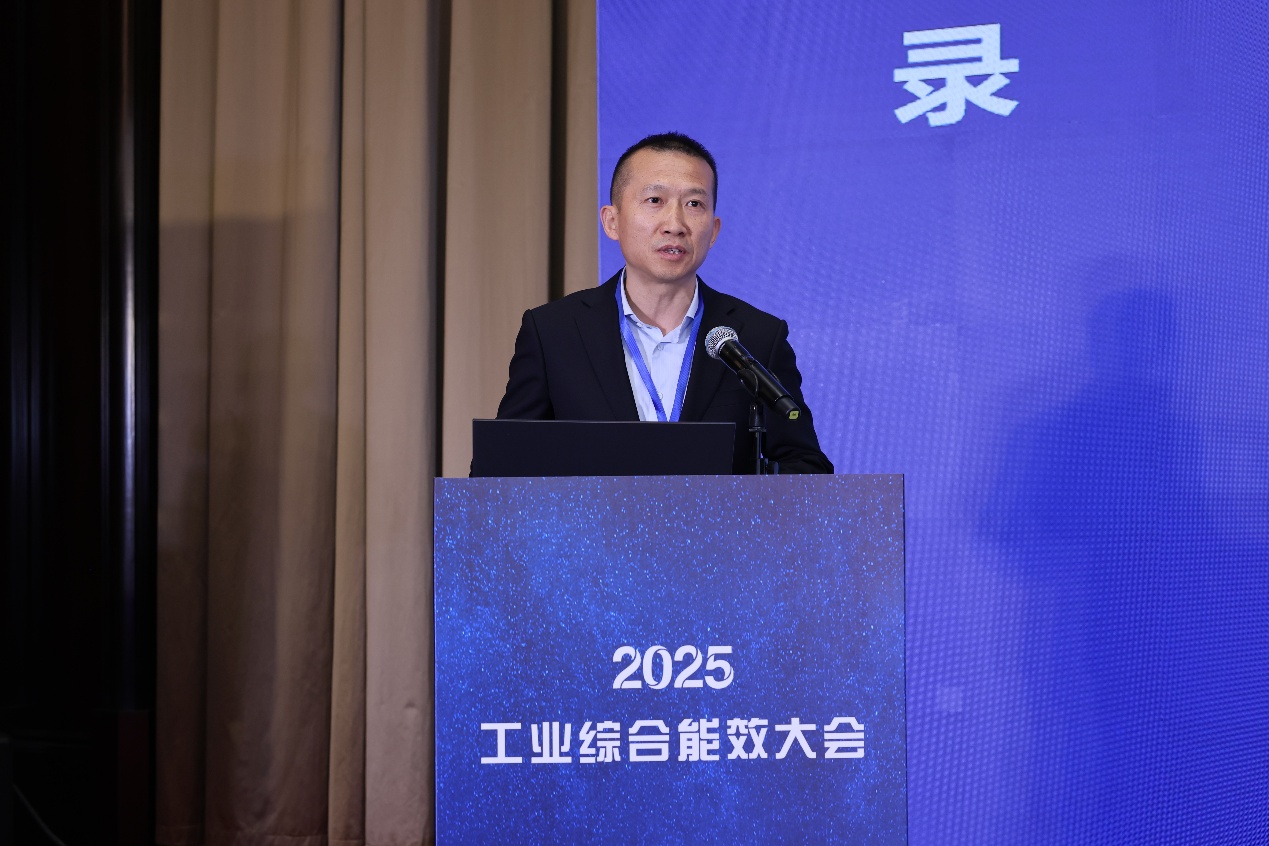
Deputy Chief Economist Yang Jun
In the annual achievements release session, Wang Zhen, Deputy Leader of the Beijing Working Group of China Southern Power Grid Integrated Energy Co., Ltd., presented “Overall Solution for Zero-Carbon Parks of Southern Grid under New Energy Systems.” He noted that over 40,000 parks nationwide contribute 80% of GDP and 60% of energy consumption, making zero-carbon park construction crucial for industrial upgrading and compliance with international green trade regulations. He emphasized the need for context-specific advancement, focusing on energy structure transformation and energy efficiency improvement. The released product system includes multi-energy coordination systems, deep energy-saving solutions, and carbon-energy digital platforms, which have achieved remarkable results in projects such as the Southern Grid headquarters base and Tianjin Lishen Battery Park, providing replicable zero-carbon practice pathways for diverse scenarios.
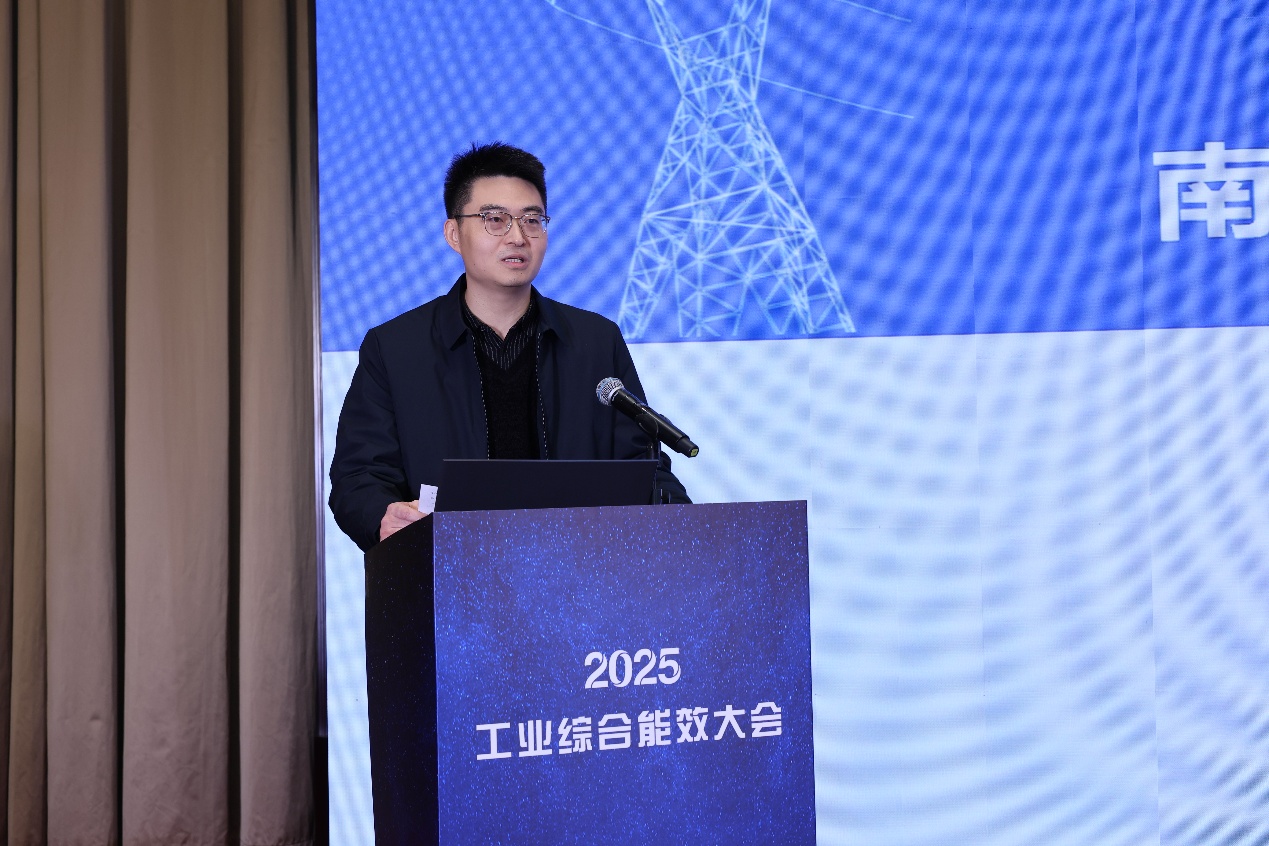
Deputy Leader Wang Zhen
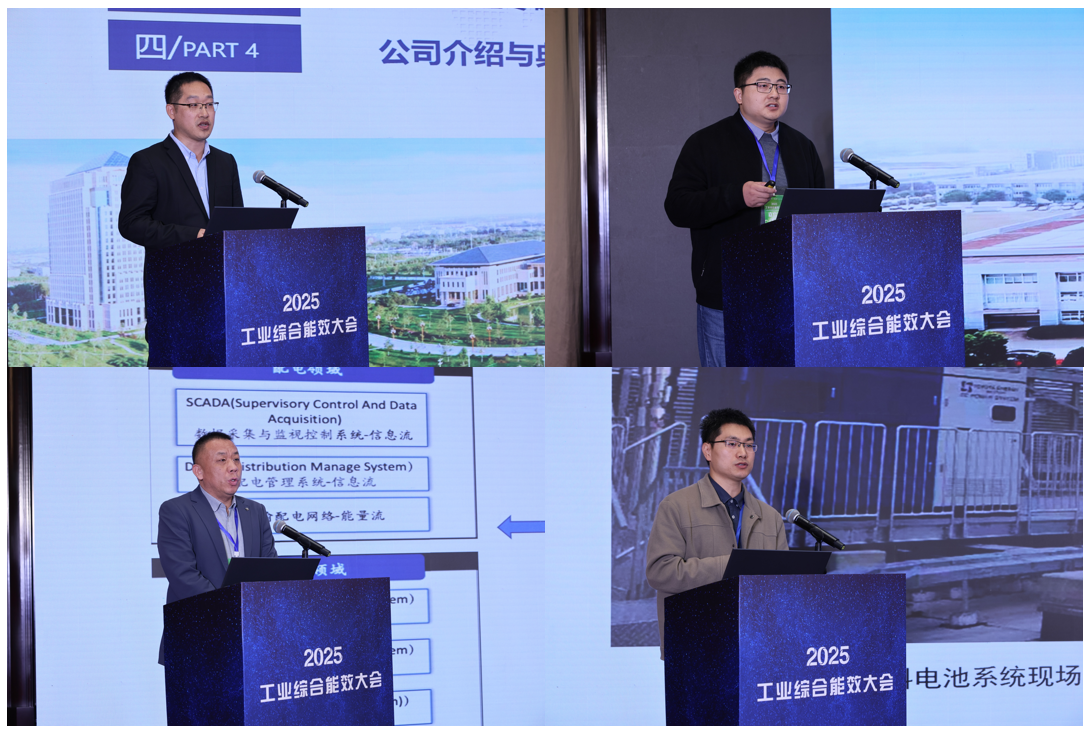
In the technical solution and industry practice sharing session, Xu Jifu, Director of Tebian Electric (Tianjin) Smart Energy Management Co., Ltd.; Hou Xiaochao, Specially-Appointed Expert of Dahang Youneng Electric Co., Ltd.; Bi Minqiang, Market Director of Yunchu New Energy; and Pan Zhaoguang, Technical Director of Beijing Qingyuan Smart Technology Co., Ltd., shared reports titled “Tebian Electric Overall Solution and Development Practice for Zero-Carbon Parks,” “Key Technologies for Urban Park-Level ‘PV-Storage-Charging-Hydrogen’ Multi-Coupled Microgrid Systems,” “Power Energy Information Processing Technology and Its Application in Zero-Carbon Parks,” and “Key Technologies and Application Cases for Smart Energy in Zero-Carbon Parks” respectively, introducing multiple exemplary cases and valuable experiences from different perspectives.
The conference received widespread attention and high praise from the industry. It consolidated broad consensus and clarified practical pathways for zero-carbon park construction and low-carbon development, injecting strong momentum into the cultivation of new quality productivity and promoting high-quality industrial development.


















 News & Events