On October 16, Professor Yuan Weijia of the University of Strathclyde in the UK was invited to deliver an academic lecture in Conference Room 103, Section 3, West Main Building, entitled “Applications of High-Temperature Superconducting Devices in Future Energy Systems.” He introduced and discussed cutting-edge research and technological innovations in the field and exchanged views with faculty members and students. The event was attended by Zheng Zedong, Secretary of the CPC Committee of the Department of Electrical Engineering; Wang Xiangyang, Deputy Director of the Institute of Aero-Engine; faculty members of the Department of Electrical Engineering, including Huang Songling, Wang Bin, Hu Wei, and Zhang Ning; and faculty members and students from the Chinese Academy of Sciences, North China Electric Power University, and other institutions. The lecture was chaired by Sun Kai, Deputy Dean of the Department of Electrical Engineering.
Professor Yuan first reviewed the approximately 40-year development of high-temperature superconducting materials and introduced emerging trends in the application of related devices in energy systems, scientific research instruments, and power systems. Over the past decade, high-temperature superconducting materials have made significant advances in current-carrying capacity, magnetic field performance, and magnetic field distribution uniformity. Building on this progress, Professor Yuan focused on the research conducted by the Applied Superconductivity Laboratory at the University of Strathclyde over the past decade and more. The work covers areas including high-temperature superconductivity mechanisms and modeling, fully superconducting cryogenic propulsion systems, and superconducting cable system analysis.
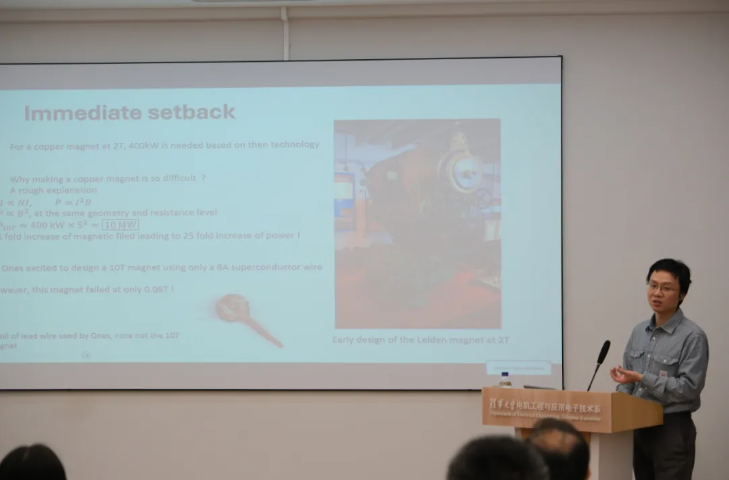
Professor Yuan Delivers His Lecture
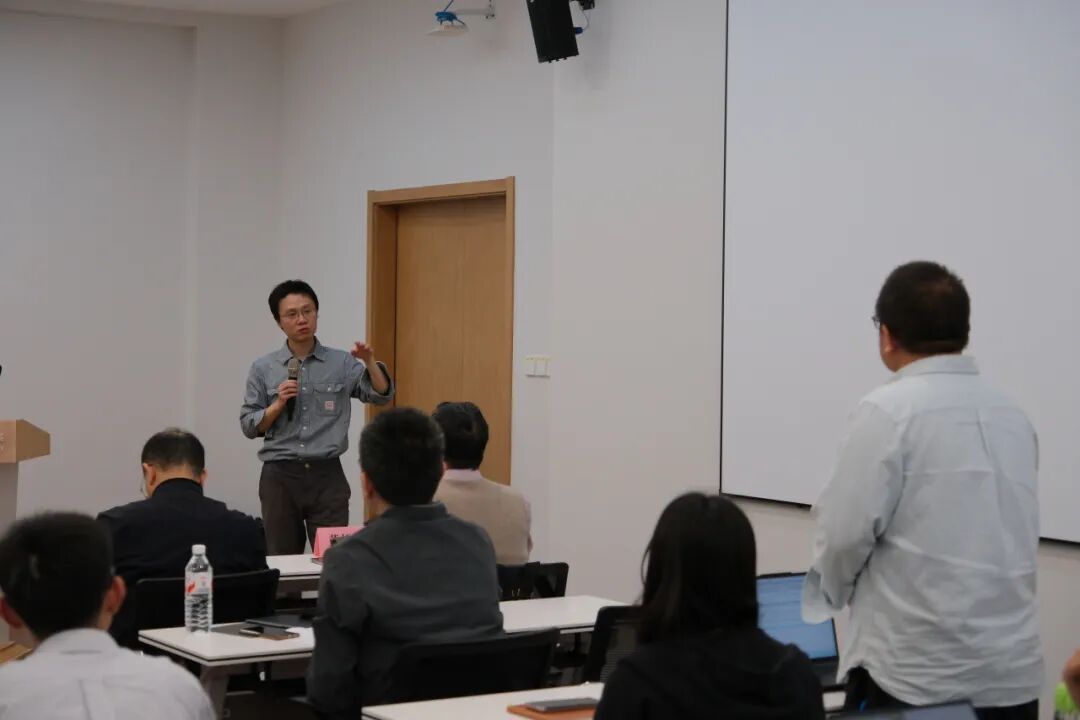
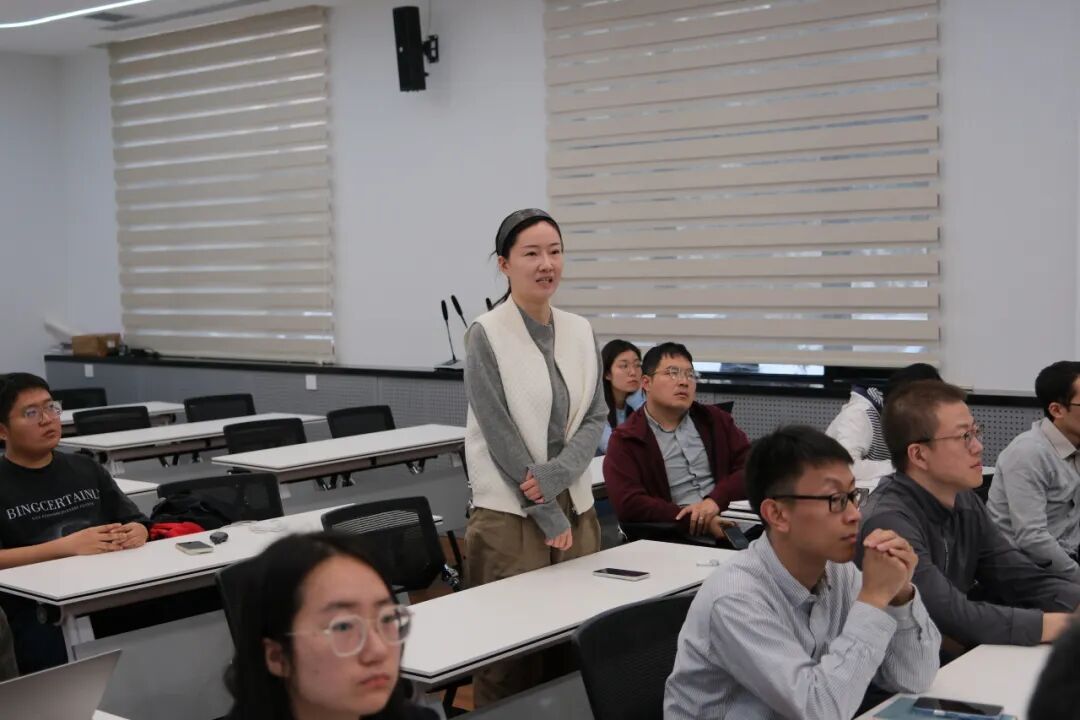
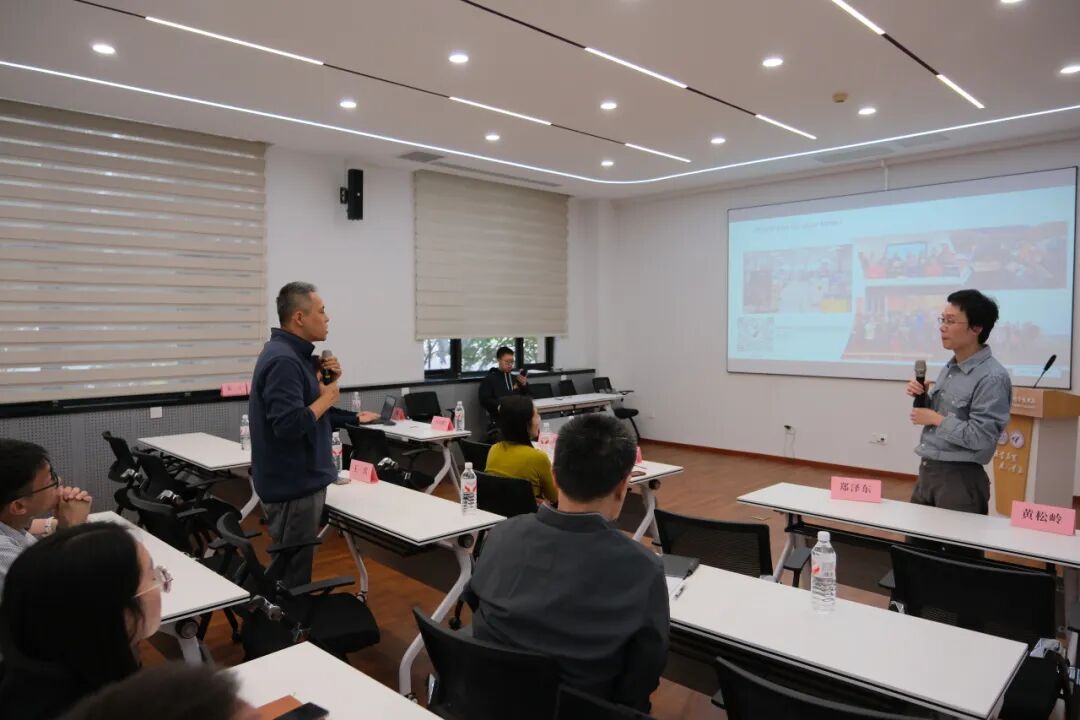
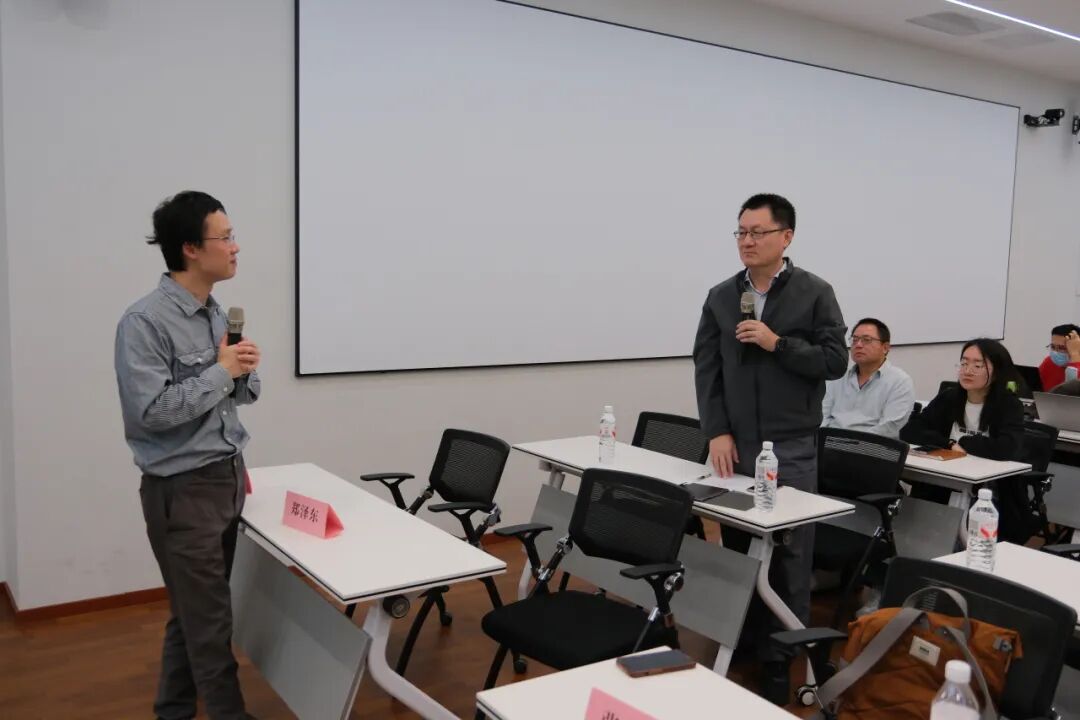
Q&A Session
Drawing on the research achievements of the Applied Superconductivity Laboratory at the University of Strathclyde, the lecture introduced advances in the application of high-temperature superconducting materials in energy systems, scientific research equipment, and power systems. It addressed faculty members' and students' questions concerning high-temperature superconductivity mechanisms, fully superconducting propulsion systems, superconducting cables, toroidal magnets, and flux pumps. The lecture provided useful insights into the relationship between fundamental issues involving materials and windings and the subsequent stages of system integration and experimental verification, while creating an opportunity for academic exchange in related fields.
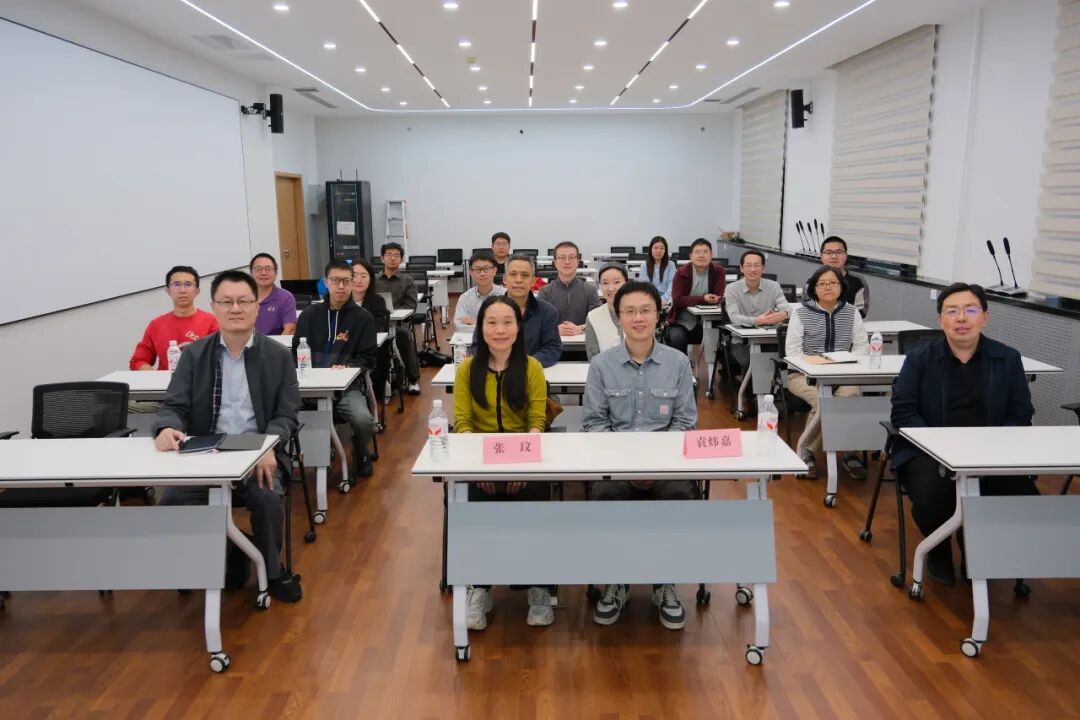
Group Photograph of Participants
Guest Profile
Professor Yuan Weijia received his bachelor's degree from Tsinghua University and his PhD from the University of Cambridge. He subsequently worked as a Research Associate in the Department of Engineering at the University of Cambridge and as a Junior Research Fellow at Wolfson College, Cambridge. He is currently a Professor at the University of Strathclyde, where he leads a research team in applied superconductivity. His research interests include energy storage, fault current limiters, electric machines, and transmission lines.
He has conducted long-term research on all-electric propulsion for future electric aircraft and has designed fully superconducting systems for aviation applications. His research also involves collaboration with partners in the fields of power systems, nuclear fusion, and cables.
In recognition of his achievements in engineering and physics, Professor Yuan has been elected a Fellow of the Institution of Engineering and Technology (IET) and a Fellow of the Institute of Physics (IOP) in the UK. He is also a member of the Board of the European Society on Applied Superconductivity.

















 News & Events