The 2026 Forum for Deans and Presidents of Schools of Electrical Engineering was held in Guiyang, Guizhou Province, from August 12 to 13. The forum was jointly organized by the Chinese Society for Electrical Engineering and the China Electrotechnical Society and hosted by Guizhou University and the Guizhou Society for Electrical Engineering. Under the theme “Integrating Intelligent Power Technologies for Development and Strengthening Industry-Education Collaboration to Foster Talent,” the forum featured in-depth discussions on the high-quality development of electrical engineering disciplines and talent cultivation amid the convergence of energy transition and artificial intelligence. More than 300 deans, presidents, scholars, and experts from leading companies in the electrical industry, representing more than 90 universities across China, attended the forum. Zeng Rong, Executive Vice President of Tsinghua University; Kang Chongqing, Dean of the Department of Electrical Engineering; Lu Chao, Deputy Dean of the department; and Yu Zhanqing, Deputy Secretary of the Party Committee of the department, attended the forum.
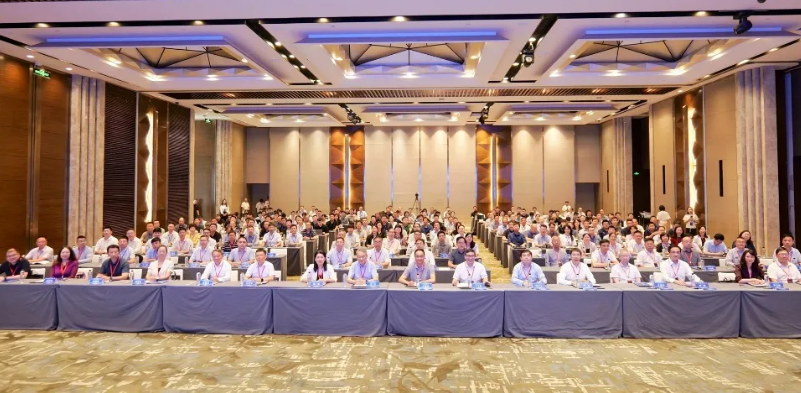
At the Forum
During the forum, Chen Mei, Secretary of the Party Committee and Vice Chairman of the Chinese Society for Electrical Engineering, and Zeng Rong jointly announced the establishment of the Joint Initiative on AI-Enabled Development of Electrical Engineering Disciplines (the “Joint Initiative”). Jointly initiated by the Chinese Society for Electrical Engineering and Tsinghua University, the Joint Initiative is based at the Chinese Society for Electrical Engineering and operates under the guidance of the Steering Committee for Teaching in Electrical Engineering Programs of the Ministry of Education. Its founding members comprise universities that are members of the Chinese Society for Electrical Engineering and the first group of institutions to sign agreements for the “Dianyuan” Electrical Engineering Knowledge Engine. The 24 founding universities include Tsinghua University, Xi'an Jiaotong University, Huazhong University of Science and Technology, North China Electric Power University, Harbin Institute of Technology, and Zhejiang University. The Joint Initiative will promote the joint development and sharing of teaching and research resources, the development and application of intelligent tools, the demonstration and wider adoption of exemplary applications, and the cultivation of high-level talent, working collectively to advance the intelligent transformation of electrical engineering disciplines. Kang Chongqing serves as Chair of the Joint Initiative, while Lu Chao serves as Deputy Secretary-General.
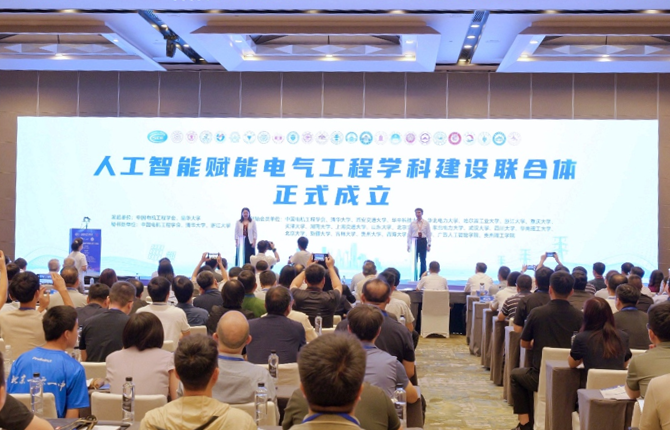
Launch Ceremony of the Joint Initiative on AI-Enabled Development of Electrical Engineering Disciplines
In his remarks introducing the background and overall framework of the Joint Initiative, Zeng Rong noted that artificial intelligence is profoundly reshaping the models and practices of teaching, research, and talent development at universities. Given the complexity of the electrical engineering knowledge system and the discipline's strong emphasis on engineering practice, he said, there is an urgent need to bring together the strengths of professional societies, universities, research institutions, and other stakeholders to build an AI-enabled support system tailored to the distinctive characteristics of electrical engineering. He called for further pooling of resources and expertise, strengthening resource sharing and the exchange of research achievement, and advancing the application of AI to electrical engineering education and discipline development in a substantive and sustained manner.
Kang Chongqing delivered a keynote address titled “AI-Enabled Development of the Electrical Engineering Knowledge Engine and Cultivation of an Open Ecosystem for Knowledge Sharing.” He noted that teaching, research, and knowledge transfer in the age of artificial intelligence require stronger capabilities for organizing specialized knowledge in electrical engineering and providing intelligent support for education and research. He highlighted the development and practical application of “Dianyuan,” an AI-powered knowledge engine for electrical engineering, and proposed further integrating capabilities in knowledge, data, simulation, algorithms, and intelligent agents to support teaching, research, knowledge transfer, and open collaborative development.
At the parallel session on “AI-Enabled High-Quality Development of Electrical Engineering Education,” Lu Chao delivered a presentation and participated in discussions on the establishment and progress of the Joint Initiative. He introduced the Joint Initiative's organizational structure, operating mechanisms, and near-term work plan, and proposed leveraging annual conferences, thematic seminars, case collection, and the open collaborative development of “Dianyuan” to deepen collaboration among universities, research institutions, and industry, promote the Joint Initiative's regular operations, and ensure the implementation of key initiatives.
The Department of Electrical Engineering at Tsinghua University will leverage the Joint Initiative and the development of the “Dianyuan” Electrical Engineering Knowledge Engine as key platforms to further strengthen exchanges and collaboration with universities, research institutions, and industry partners. It will continue to promote the deep integration of artificial intelligence with education and teaching, research and innovation, and talent development; advance the open sharing and collaborative development of high-quality disciplinary resources; and contribute to the high-quality development of electrical engineering and the cultivation of high-level innovative talent.


















 News & Events