On April 16, the 1st Tsinghua “Synergy • Interdisciplinary Salon” was held in Conference Room 102 of the Department of Electrical Engineering. The theme of this session was “Exploring New Paradigms of AI-Enabled Interdisciplinary Scientific Research.” The event was jointly organized by the Department of Electrical Engineering and the Center for Teacher Development, with support from the Department of Computer Science and Technology and the Department of Electronic Engineering. Deputy Director of the Institute for Artificial Intelligence Industry Research Lan Yanyan delivered the keynote speech. Wang Renmo, Deputy Director of the Department of Personnel Affairs and Director of the Staff Development Center, attended the event. The session was chaired by Party Secretary Zheng Zedong and Deputy Dean Sun Kai of the Department. More than 30 young scholars and postdoctoral researchers from the Departments of Electrical Engineering, Electronic Engineering, and Computer Science gathered for in-depth discussions on cutting-edge topics in AI and interdisciplinary integration. The atmosphere was highly engaging. The salon was also livestreamed via the “He Tang Rain Classroom” platform, attracting nearly 200 online viewers.
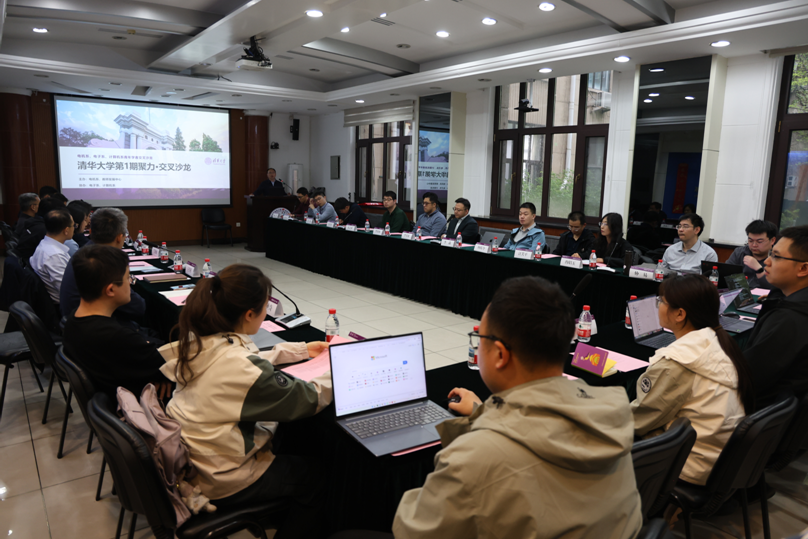
At the Salon
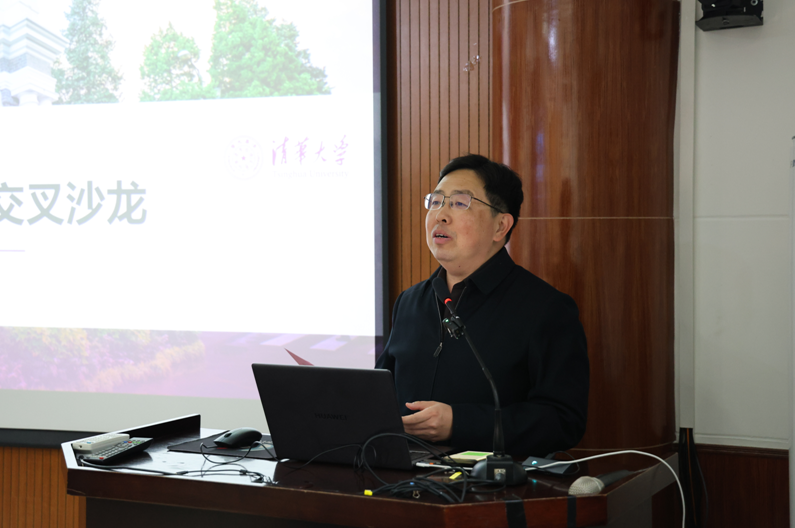
Sun Kai chaired the Salon
Wang Renmo introduced the background of the event organization. He noted that to improve the relevance and impact of faculty training, the Center for Teacher Development is actively promoting a mechanism of co-organizing activities with secondary units, aiming to better meet the actual needs of faculty members across disciplines and foster deeper and more extensive interaction and collaboration. Against the backdrop of interdisciplinary integration becoming a key driver of scientific research and talent development, the university places great emphasis on building platforms for cross-disciplinary exchange among young faculty members. The Center for Teacher Development will continue to support departments in organizing diverse activities to help young faculty grow and promote interdisciplinary collaboration as a new normal in faculty development.
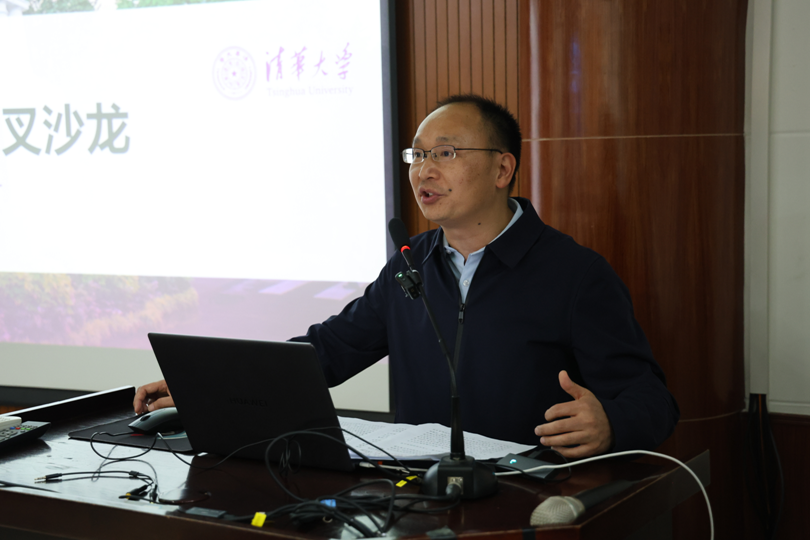
Wan Renmo delivered a speech
Lan Yanyan delivered a keynote speech titled “Exploring New Paradigms of AI-Enabled Interdisciplinary Scientific Research.” Drawing on her research experience in AI-driven drug discovery, she systematically presented the latest progress and insights into the deep integration of AI and life sciences. She emphasized that the core of AI for Science lies in addressing major scientific challenges, requiring deep collaboration between artificial intelligence and various scientific disciplines to drive paradigm shifts in scientific discovery. She also shared practical experience in team building, talent cultivation, and interdisciplinary collaboration.
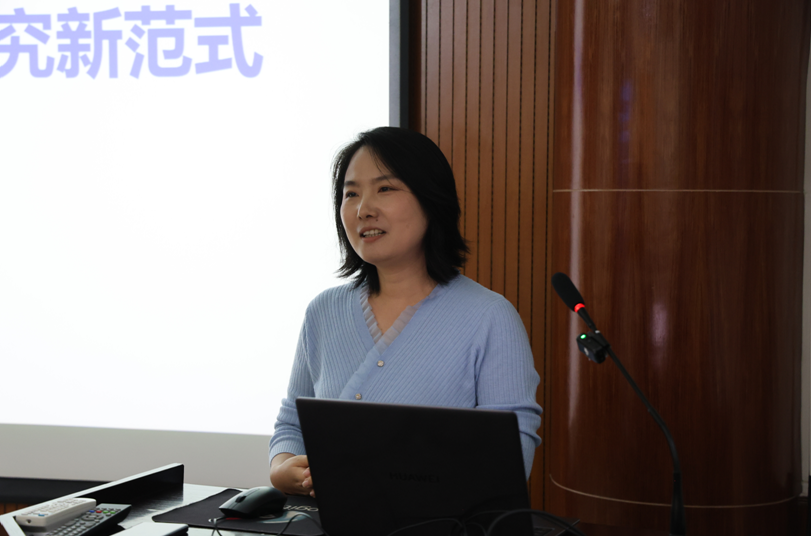
Lan Yanyan delivered a keynote speech
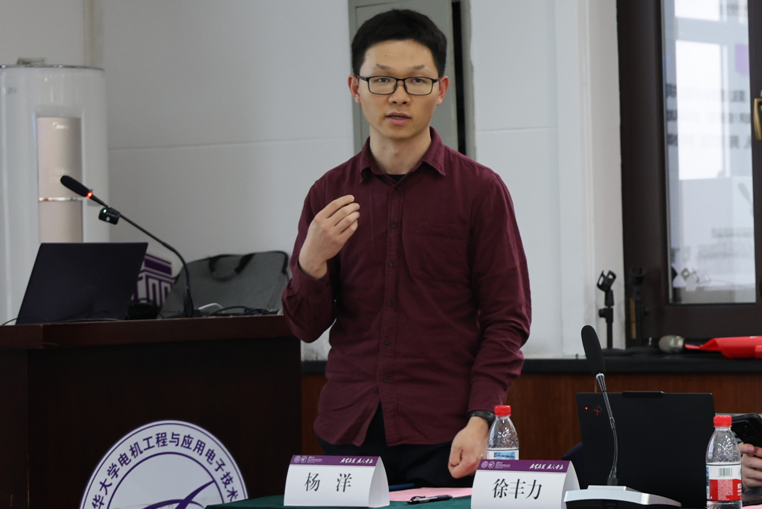
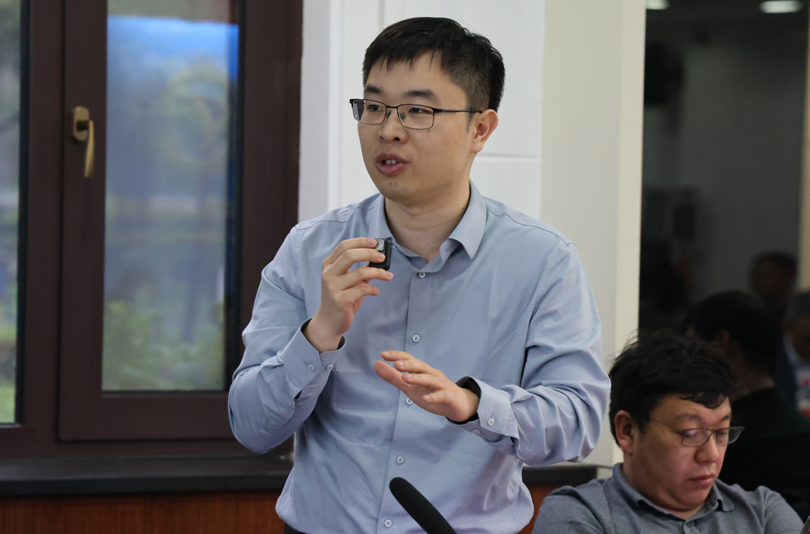
During the young faculty sharing session, Yang Yang, Assistant Research Professor at the Department of Electrical Engineering; Xu Fengli, Assistant Professor at the Department of Electronic Engineering; and Su Hang, Associate Research Professor at the Department of Computer Science, delivered presentations on the themes of “Biopeptide Supramolecular Energy Materials and AI-Driven Design Prospects,” “AI Agents and Research Automation,” and “Construction and Continuous Evolution of Embodied Foundation Models,” respectively, sharing their explorations and achievements in AI-empowered scientific research. The presentations focused on cutting-edge topics with diverse perspectives, showcasing the innovative vitality of young scholars in interdisciplinary research.
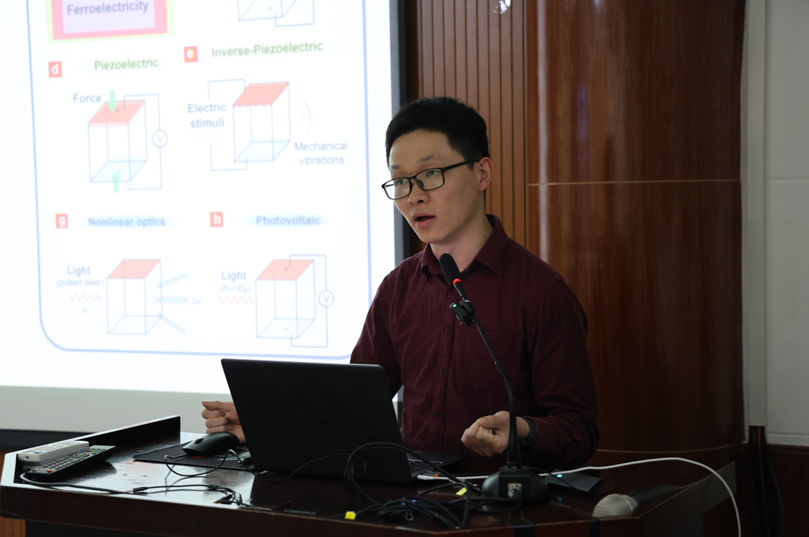
Yang Yang sharing
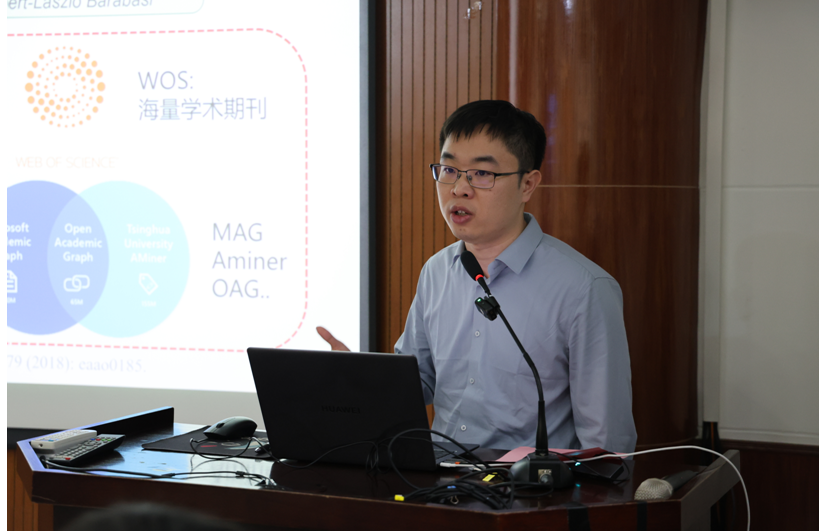
Xu Fengli sharing
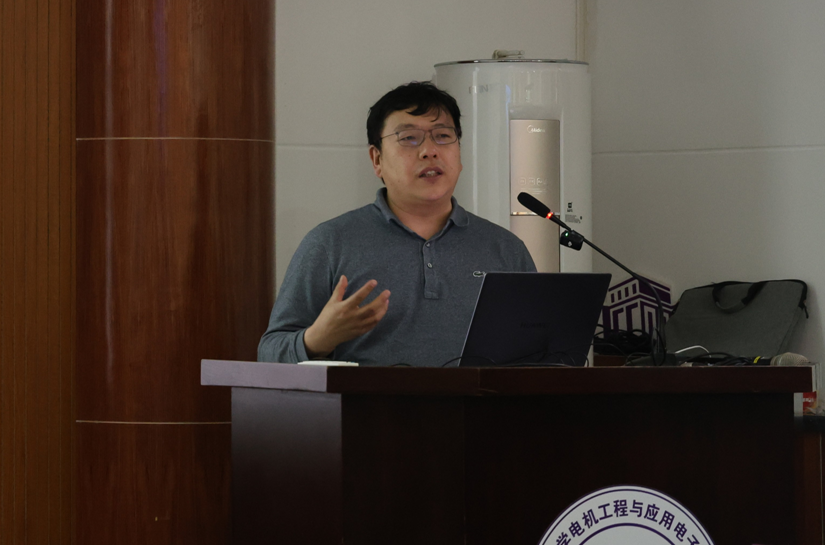
Su Hang sharing
During the free exchange session, the attending faculty engaged in a lively discussion on topics such as the interpretability of AI models, few-shot learning, mechanisms for interdisciplinary team collaboration, and the transformation of research paradigms. There was a consensus that AI is profoundly reshaping the research ecosystem, and that interdisciplinary integration is not only a developmental trend but also an important pathway to achieving original breakthroughs.
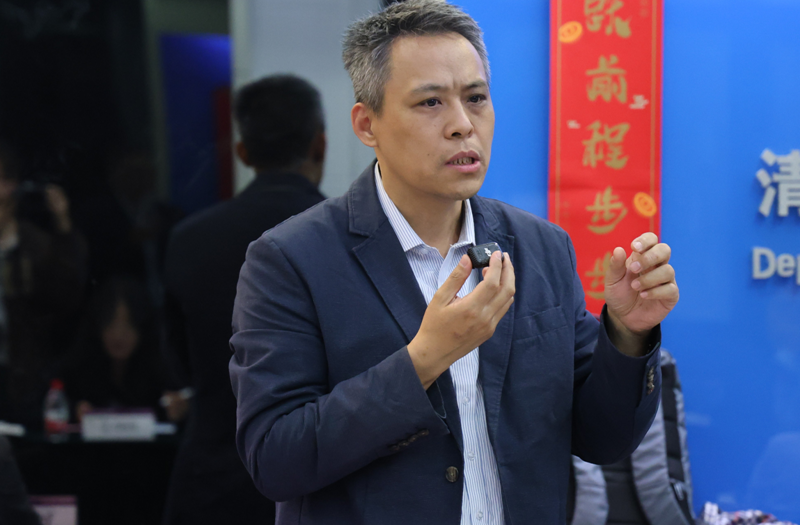
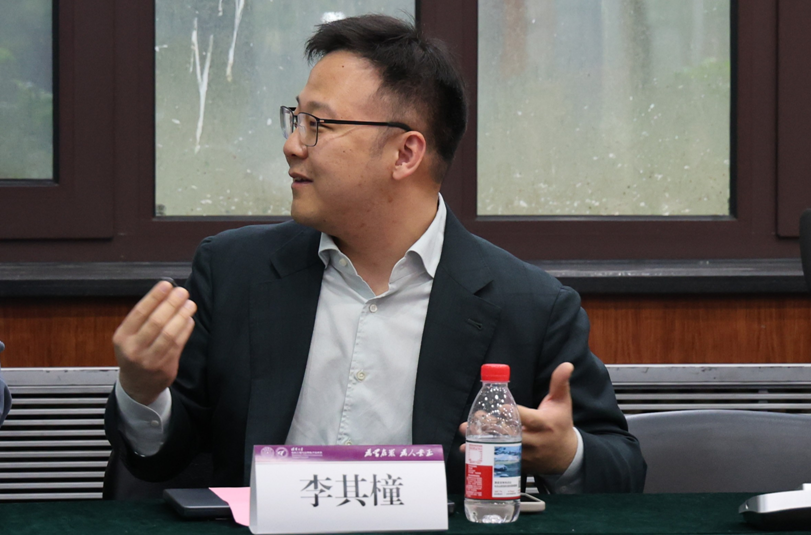
Discussion Session
Zheng Zedong concluded that this salon marked a strong beginning for interdisciplinary collaboration jointly promoted by the three departments. It provided a valuable platform for intellectual exchange and cooperation among young scholars and explored a new paradigm for interdisciplinary integration within the university. Looking ahead, the Department of Electrical Engineering will continue, with support from the university’s faculty development departments, to build more open and efficient platforms, promote deep integration of AI and energy systems, and support young faculty in conducting high-level interdisciplinary research.
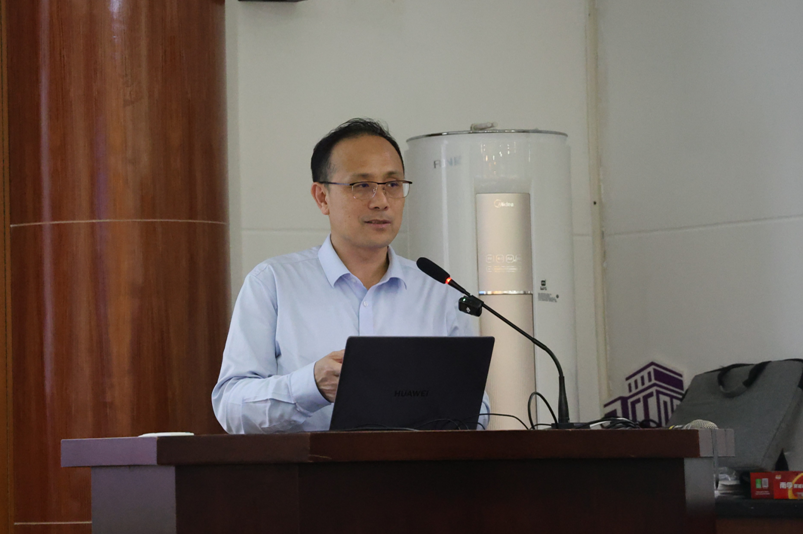
Zheng Zedong made a conclusion


















 News & Events