Overview of 2026 Winter Overseas Practice Activities of the Department of Electrical Engineering
To help students of the Department of Electrical Engineering engage with technological frontiers, expand international perspectives, and enhance global competence, during the 2026 winter break, the Department of Electrical Engineering, in collaboration with the Department of Foreign Languages and Literatures, organized two overseas practice teams. A total of 27 undergraduate and graduate students participated, visiting countries including Norway, Iceland, and Serbia to carry out overseas practice activities. During the practice, the teams visited more than 20 institutions, including Chinese embassies, Chinese-funded enterprises, local companies, government agencies, renowned universities, and museums, conducting a series of in-depth research activities.
In the university-wide evaluation of Tsinghua University students' winter overseas practice teams, the Department of Electrical Engineering achieved excellent results. A total of 46 teams from 26 university units participated in the evaluation. The "Light of the North" practice team to Norway and Iceland ranked fifth overall, and the "Scenery Beyond the Great Wall" practice team to Serbia ranked ninth overall.
"Light of the North" Practice Team to Norway and Iceland
During the winter break, the "Light of the North" team traveled to Norway and Iceland, conducting social practice research centered on the theme of "Community Resilience in Zero-Carbon Transition" from multiple dimensions, including national coordination, urban governance, and energy system operation.
In Oslo, Norway, team members visited the Embassy of the People's Republic of China in the Kingdom of Norway, where they gained an in-depth understanding of the manifestation of "community resilience" at the national level through briefings by relevant officials on the progress of Sino-Norwegian green cooperation.
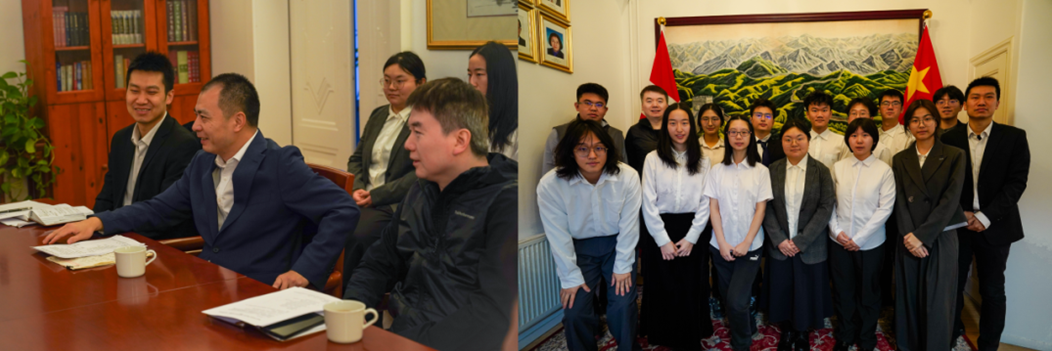
The team exchanged views at the Embassy of the People's Republic of China in the Kingdom of Norway
Team members held an academic micro-forum jointly with the Chinese Students and Scholars Association in Norway at the University of Oslo. Team members shared academic research on cutting-edge topics in energy transition and held a roundtable discussion on sustainable development with local students.
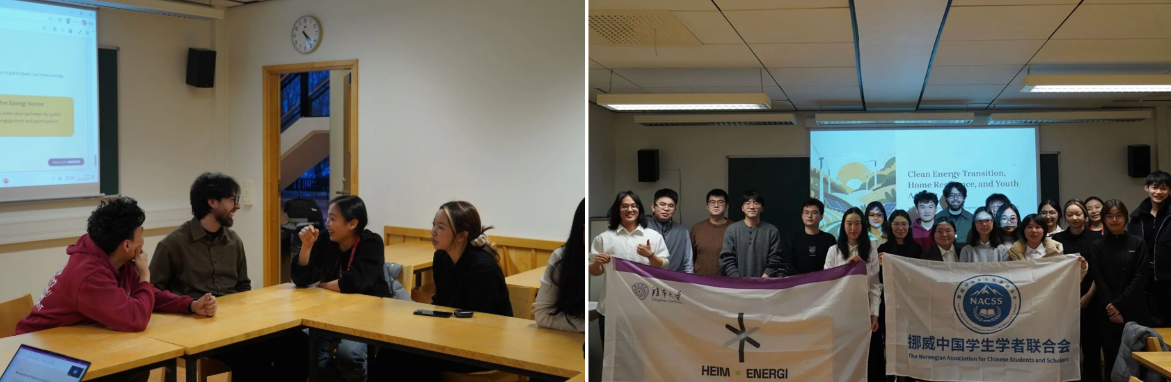
The team held a youth symposium at the University of Oslo
Regarding urban governance, team members visited the Vy Group and the Yutong Drammen depot in Norway to learn about the electrification transformation of public transportation in Oslo. They also visited the Climate Agency to understand how the local "climate budget" system provides a quantifiable governance tool for climate action.
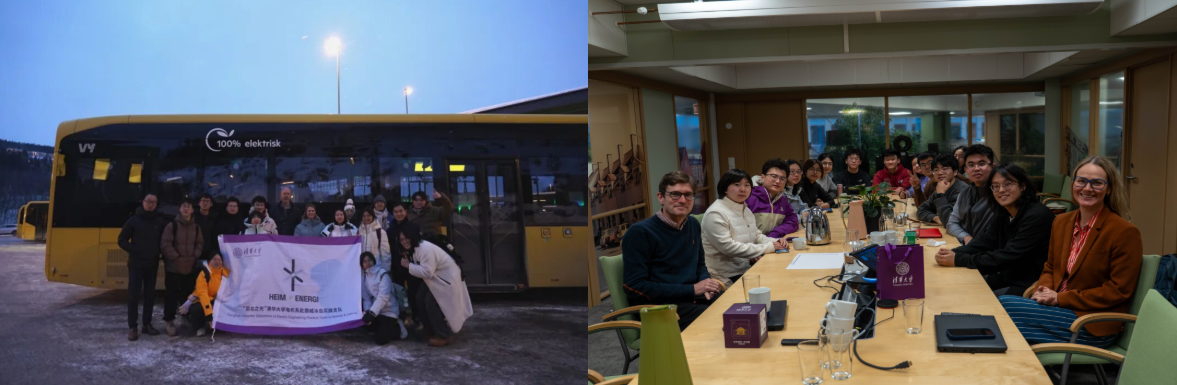
The team exchanged views at the Norwegian State Railways (Vy Group) and the Oslo Climate Agency
In Iceland, the team visited Reykjavík University and the University of Iceland, conducting exchanges at electrical engineering laboratories. At the Hellisheiði Geothermal Power Plant, they learned about geothermal power generation mechanisms and the Carbfix carbon mineralization technology.
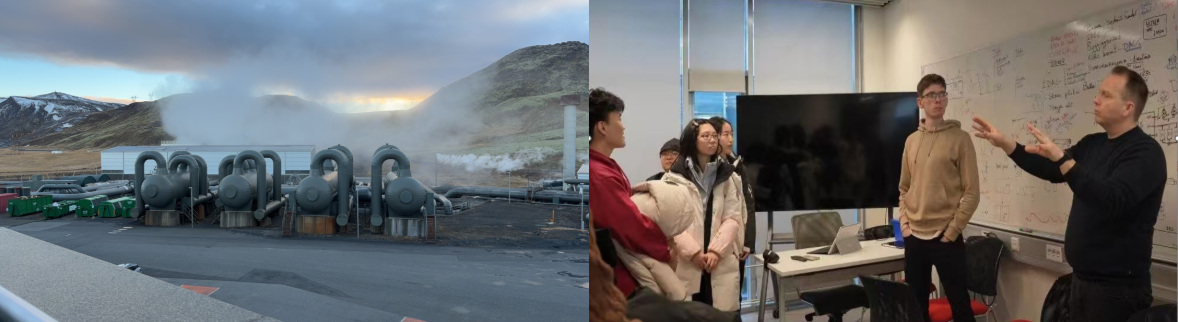
The team exchanged views at the Hellisheiði Geothermal Power Plant and Reykjavík University
The team visited the Icelandic Energy Agency, the GRO Geothermal Training Program, and ISOR Iceland GeoSurvey, systematically understanding how technology and regulatory systems ensure long-term safe and stable operation of energy systems in extreme environments and with high proportions of renewable energy.
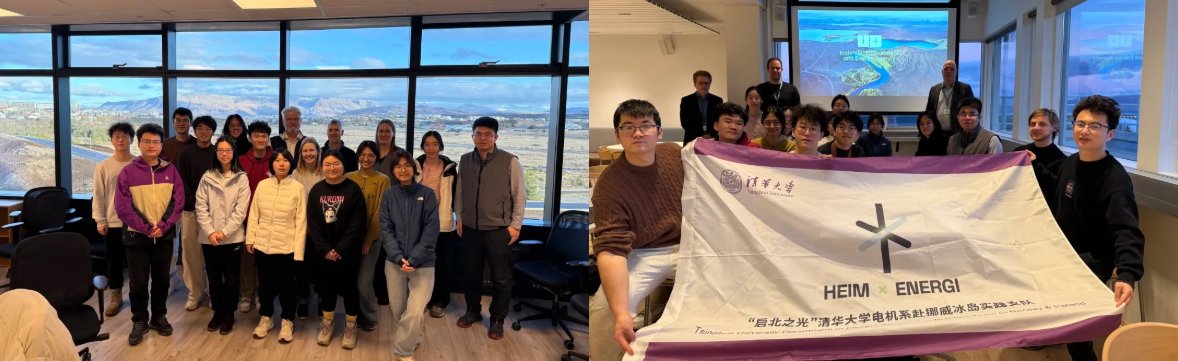
The team at ISOR Iceland GeoSurvey and the Icelandic Energy Agency
During the practice, team members also conducted questionnaire surveys on "energy transition" at multiple universities in Norway and Iceland. After the practice, they compiled a research report and submitted it to the international journal Intercultural Communication and Cross-Cultural Studies. Following the practice, drawing on their research experience, team members conducted academic explorations in areas such as electric vehicle energy scheduling under extremely cold weather conditions and Iceland's integrated energy system considering geothermal energy. They co-authored two academic papers, both of which were accepted by high-level international conferences.
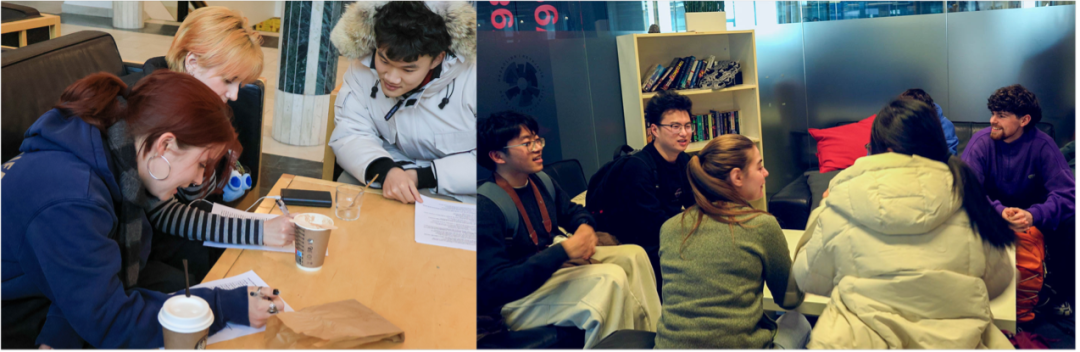
Team members distributing questionnaires to university students in Norway and Iceland
"Scenery Beyond the Great Wall" Practice Team to Serbia
During the winter break, the "Scenery Beyond the Great Wall" overseas practice team focused on the main theme of "China-Serbia cooperation under the Belt and Road Initiative," visiting the Chinese Embassy in Serbia, Chinese-funded enterprises in Serbia, and local academic institutions and universities.
At the first stop of the practice, team members visited Shandong Hi-Speed Group Serbia Investment Development Co., Ltd., to learn about the first highway project undertaken by a Chinese enterprise in Europe. They exchanged views with relevant company officials on overseas financing models and localized operations. Subsequently, team members took the China-developed Belgrade-Novi Sad railway train to Novi Sad and held discussions with relevant officials at the Institute of the Belt and Road Initiative in Belgrade, learning about Serbia's positioning as the "Gateway to Europe" and its measures to facilitate Chinese enterprises' entry into Europe.
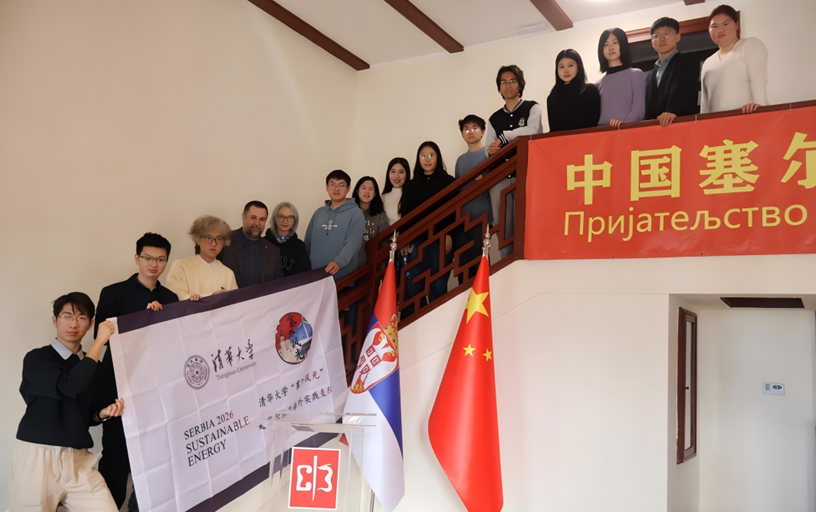
Team members visited the Institute of the Belt and Road Initiative and Shandong Hi-Speed Group
Focusing on industrial cooperation upgrading, team members visited Zijin Mining Group and held an online interview with the head of Serbia Zijin Copper, learning about the operational transformation, technological upgrading, and ESG system development of the Bor Copper Mine. They also visited Zijin Mining's Belgrade branch in person to discuss green and low-carbon transformation with the head of the International Department.
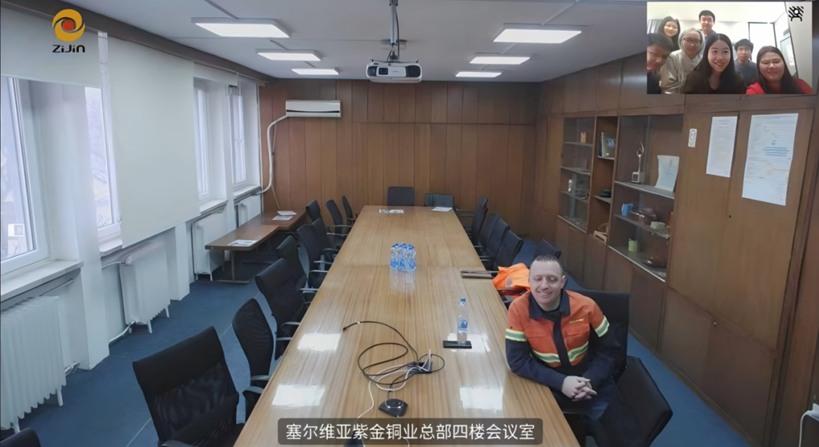
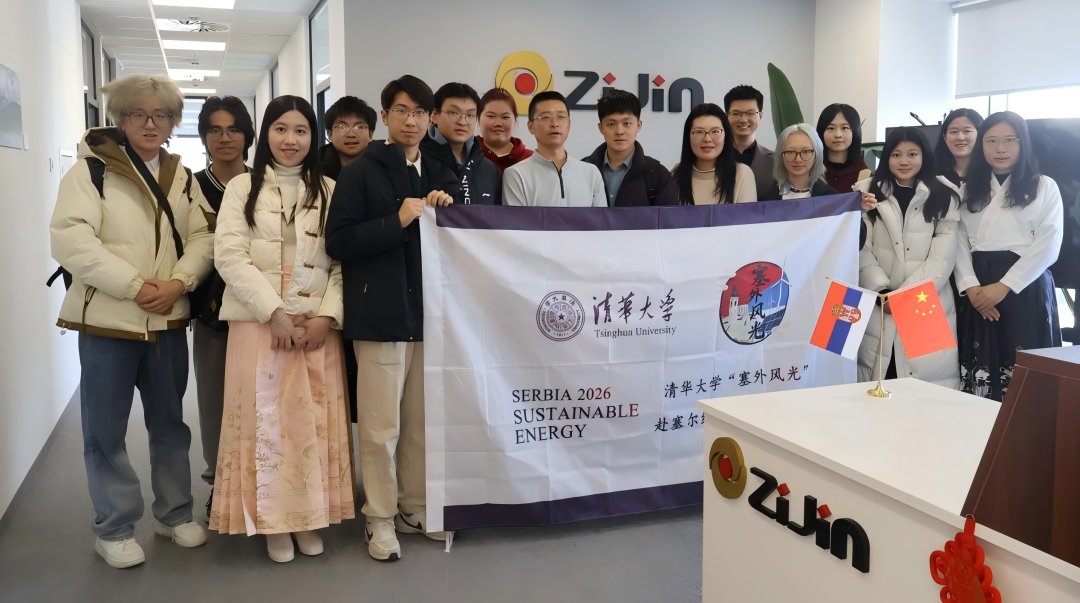
Team members visited Serbia Zijin Mining Group
During a series of cultural research activities, team members visited the China Cultural Center and the Museum of Yugoslav History to learn about Serbia's historical development. At the University of Belgrade, team members exchanged views on the promotion of Chinese language education and inter-university cooperation, experiencing the traditional China-Serbia friendship through research interviews.
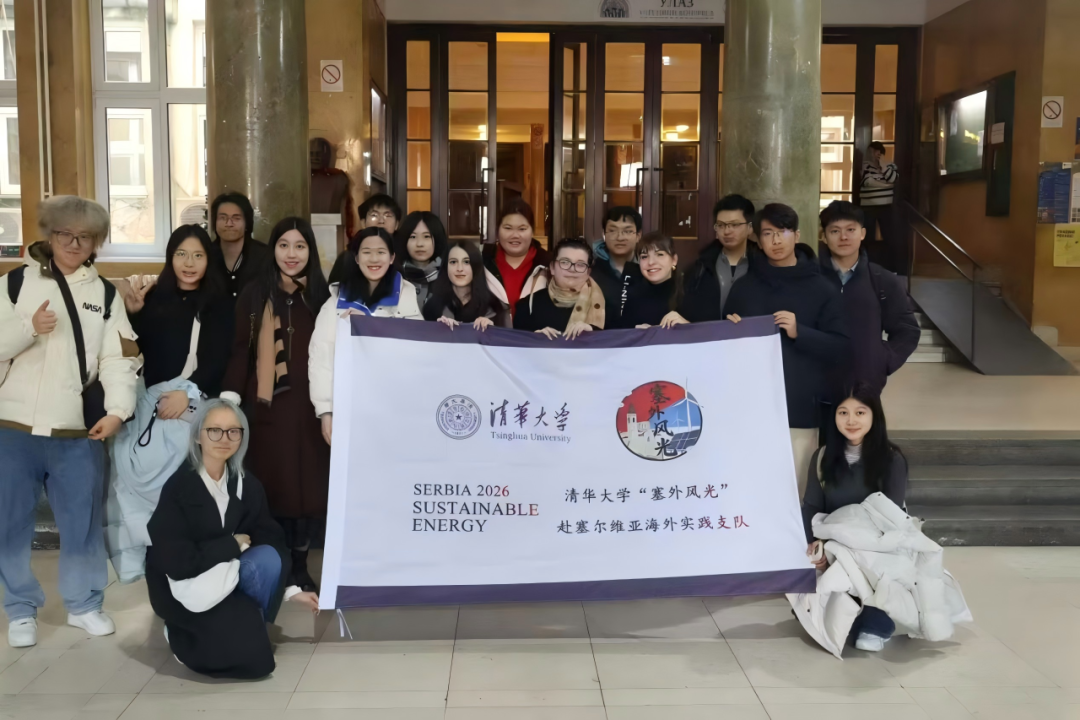
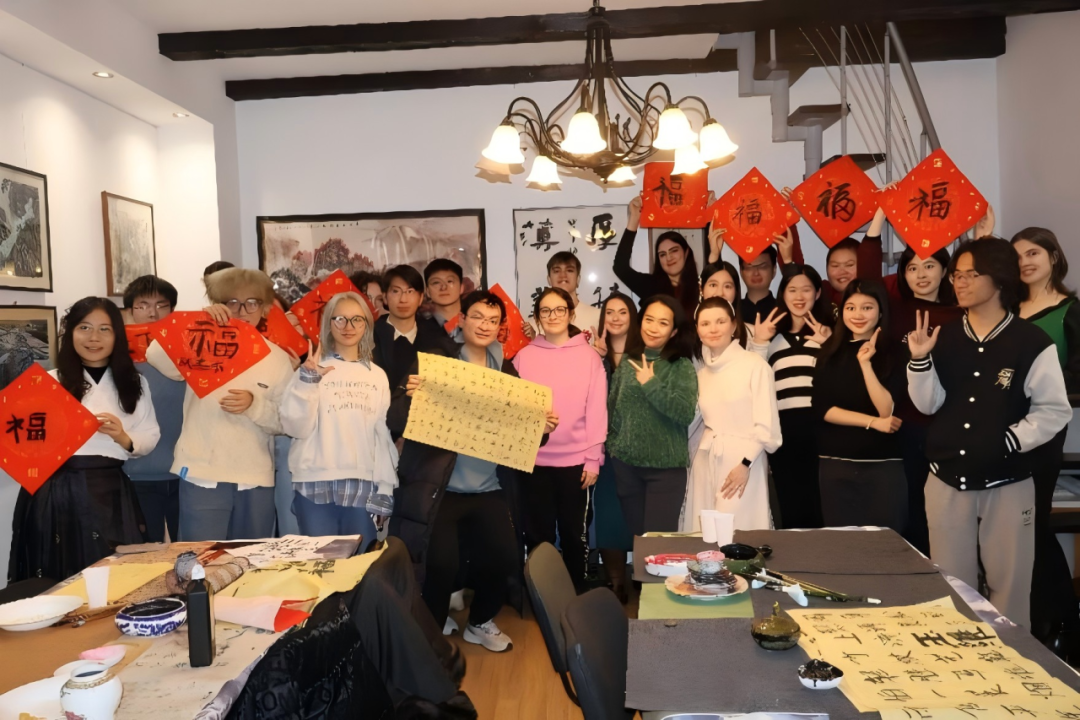
Team members exchanged views at the University of Belgrade
At the conclusion of the trip, team members visited the Chinese Embassy in Serbia and engaged in in-depth discussions with embassy staff on topics such as youth participation in international communication.
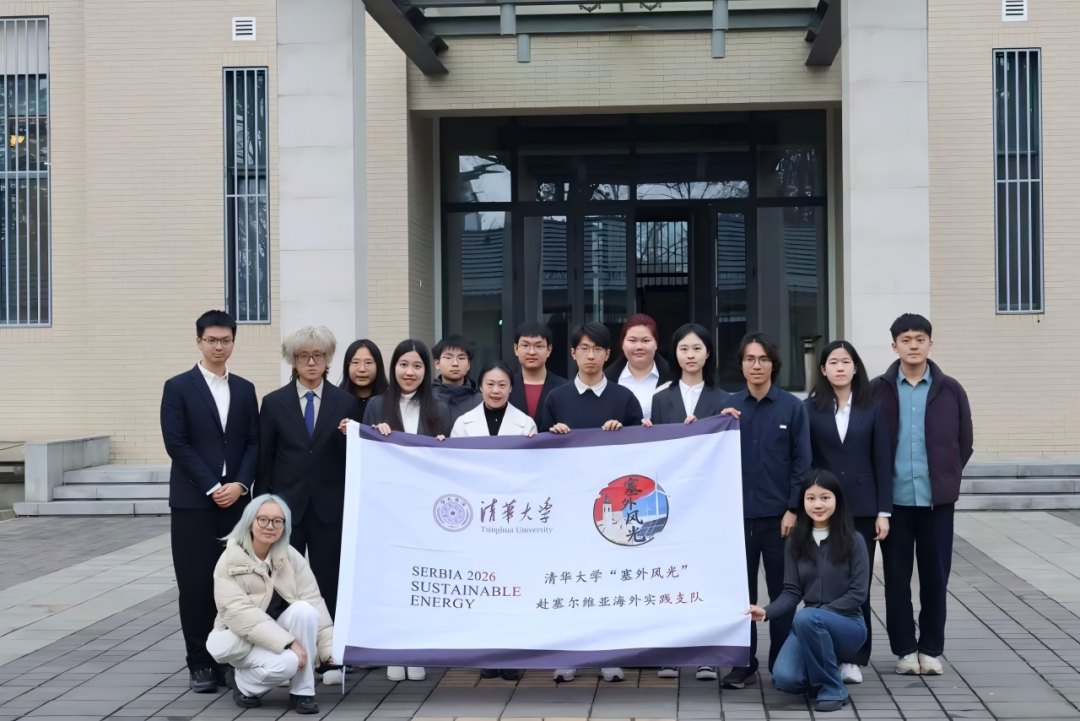
Team members visited the Chinese Embassy in Serbia
During this practice, the team designed interview questionnaires and collected a large amount of data and diverse perspectives, yielding substantial research results. This trip to Serbia allowed team members to witness the fruits of cooperation, build youth bridges, and contribute their youthful energy to deepening China-Serbia friendly cooperation.


















 News & Events